
Skipping a coffee will not change your finances. Changing what you pay for housing, transport, food and bills can. These ten tips focus on where the real money is, and how much you save depends on where you are starting from.
- The biggest savings are in the biggest costs.
- Automate what you can so saving does not rely on willpower.
- A side income moves the needle faster than any coupon.

1. Know your numbers
Add up what comes in and what goes out for one month. You cannot fix what you have not measured.
2. Pay yourself first
Set up an automatic transfer to savings on payday. What you never see, you do not miss.
3. Lower your housing cost
It is the biggest bill for most people. Options include negotiating at renewal, getting a housemate, refinancing if rates allow, or moving somewhere cheaper when your lease ends.
4. Rethink transport
Fuel, insurance, parking and repairs add up to a lot. Cycle or use transit when you can, share rides, and shop around for car insurance every year.
5. Cut your grocery bill
Plan meals, shop with a list, buy store brands and waste less. See 9 ways to save on groceries.

6. Renegotiate your bills
Phone, internet, insurance and energy. Compare prices, then call and ask your provider to match the best one.
7. Clear expensive debt
Interest on credit cards cancels out your saving. A focused plan helps. See the biweekly debt plan.
8. Use less energy
Turn the thermostat down a degree, wash on cold, air dry clothes and switch things off at the wall.
9. Set a rule for wants
A 48 hour wait, a monthly fun budget, or one in and one out. Rules save you from deciding every time.
10. Earn a little more
There is a floor to how much you can cut. There is no ceiling on what you can earn. Even a small side income can go straight to savings. See easy side hustles for beginners.
Helpful for everyday saving
 Bento lunch boxPacked lunch that feels less sad.See it on Amazon
 Travel coffee mugHome coffee, taken with you.See it on Amazon
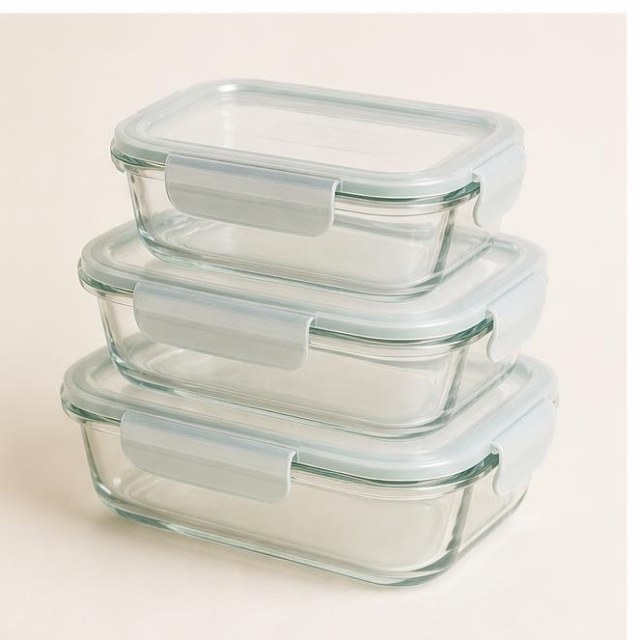 Glass meal prep containersCook once, eat four times.See it on Amazon
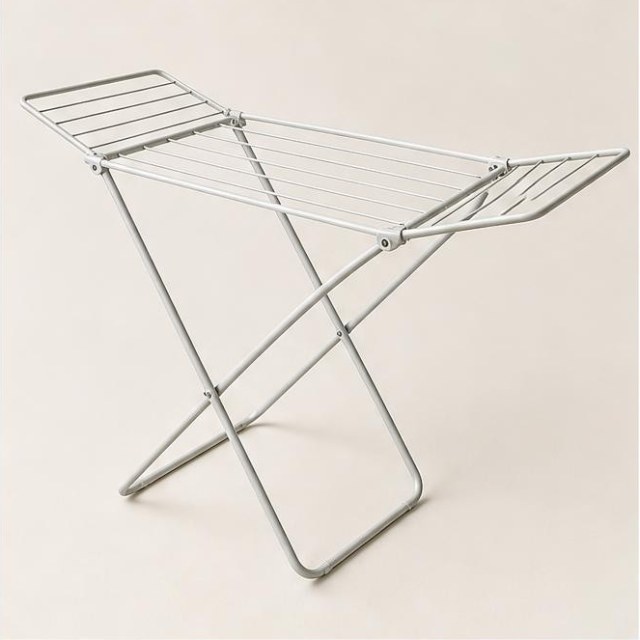 Clothes drying rackSkip the dryer on most loads.See it on Amazon
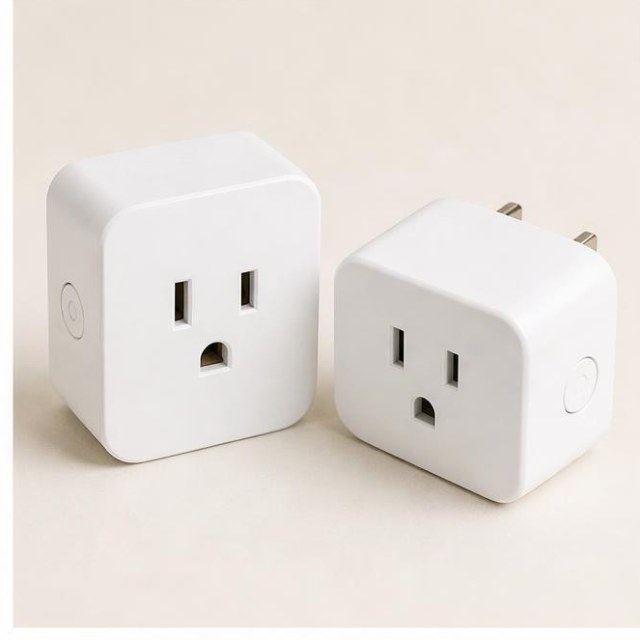 Smart plugsSee what is quietly using power.See it on Amazon
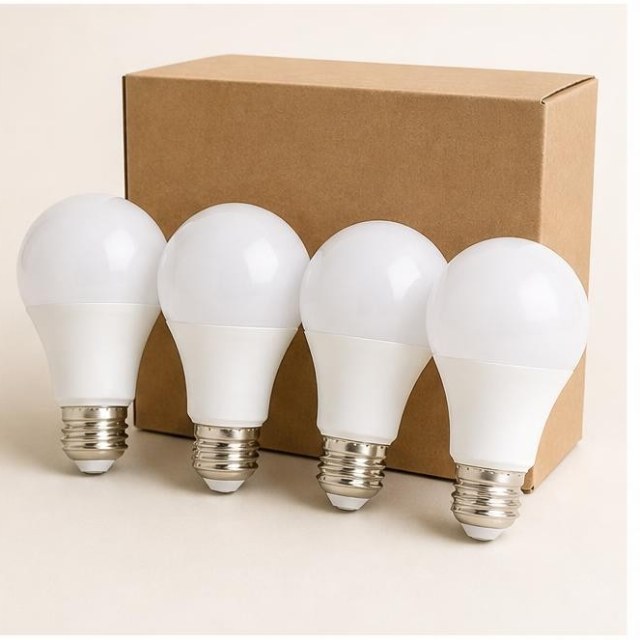 LED bulbsA small swap that lowers the bill.See it on Amazon
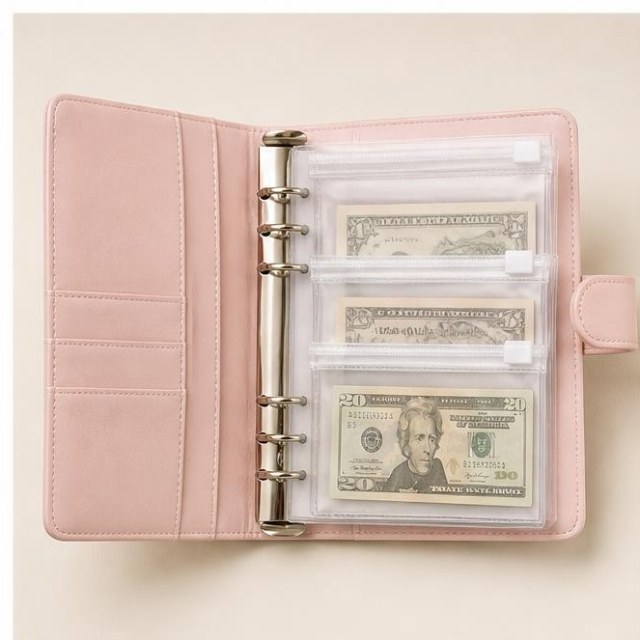 Budget binderCash stuffing, all in one place.See it on Amazon
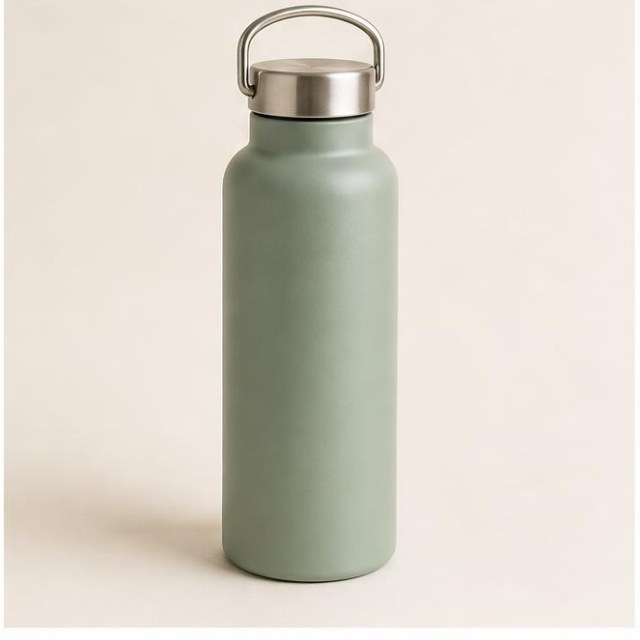 Insulated water bottleStops the daily drink purchase.See it on Amazon
Affiliate links. As an Amazon Associate I earn from qualifying purchases.
Set a goal you can see
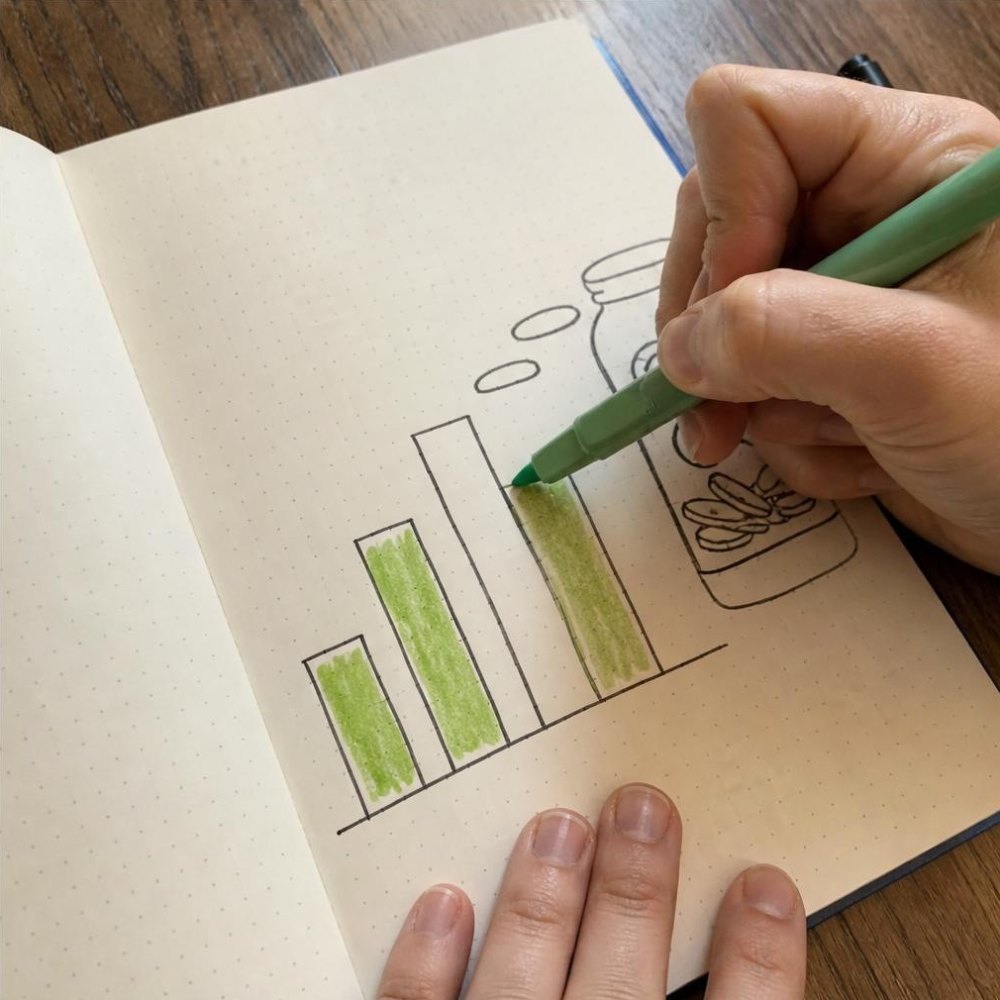
“Save more” is vague. “Save $1,000 for emergencies by June” is a plan. Write it down, break it into a monthly amount and track it somewhere visible.
Tools that help
- A separate savings account, so the money is out of sight.
- A budgeting app or a simple spreadsheet.
- Bank alerts for low balances and large payments.
Habits that undo the work
- Spending raises as soon as you get them.
- “Saving” money by buying things on sale you did not need.
- Checking your budget once and never again.
How much you can save depends on your income and costs. Do not measure yourself against a number from the internet. Beat last month.
Next: 14 budgeting hacks and 10 low-income savings challenges.