If you are paid every two weeks, a monthly budget never quite fits. Bills land before payday, and two months a year you get a third paycheck with no plan for it. A biweekly plan fixes both, and it can speed up your debt payoff.
This is general information, not personal financial advice. If debt feels unmanageable, a nonprofit credit counseling service can help you for free or at low cost.
- Budget per paycheck, not per month.
- Assign every bill to a specific payday.
- Use the two extra paychecks a year to attack debt.
1. List every debt
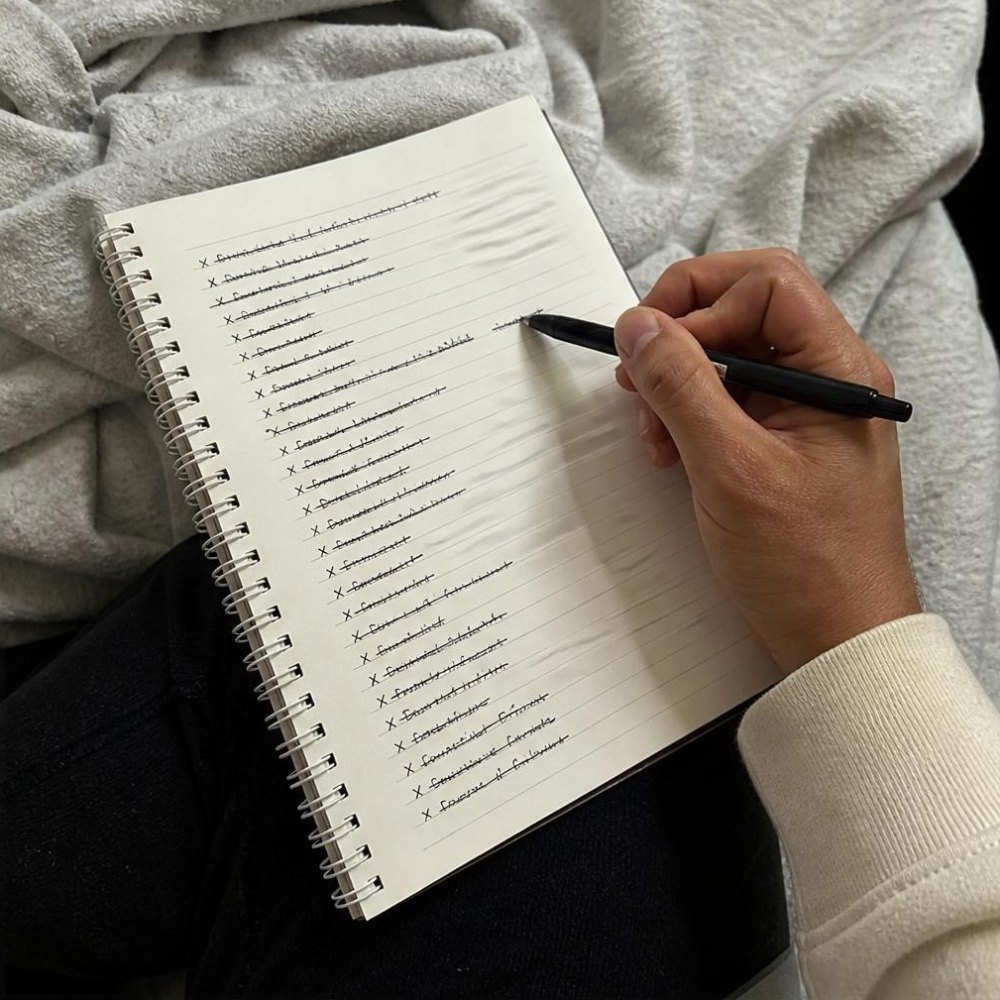
Write down the balance, interest rate and minimum payment for each. Seeing it all in one place is uncomfortable for five minutes and useful forever.
2. Map your paydays
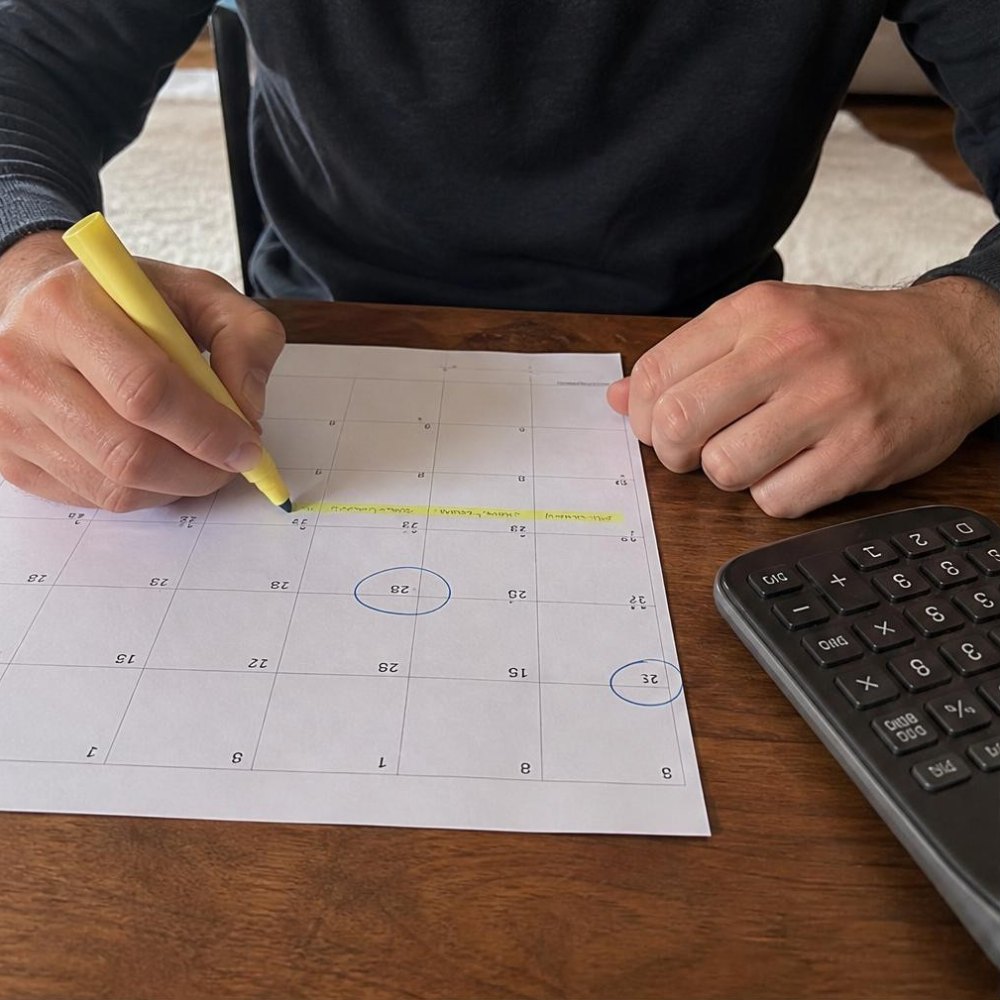
Mark every payday for the year on a calendar. Biweekly pay means 26 paychecks, so two months will have three.
3. Assign each bill to a paycheck
Rent or mortgage from the first check of the month, utilities and car from the second, or whatever fits your due dates. Ask providers to move due dates if they do not line up.
4. Budget each paycheck to zero
Bills, food, gas, minimum payments, a little fun and savings. Every dollar gets a job before it arrives.
5. Start a small emergency fund
Even a modest cushion stops a flat tire from going on a credit card and undoing your progress.
6. Choose a payoff method
- Snowball: pay off the smallest balance first for quick wins.
- Avalanche: pay off the highest interest rate first to pay less interest overall.
Both work. Pick the one you will stick with.

7. Pay extra every payday
Whatever is left after essentials goes to your target debt each payday, not at the end of the month when it has already been spent.
8. Consider half payments
Paying half of a monthly payment every two weeks adds up to one extra full payment a year. Check with your lender first that they accept and apply payments this way without fees.
9. Use your third paycheck months
Twice a year you will have a paycheck with no regular bills attached. Send most of it to debt.
10. Trim spending between paydays
A few simple cuts free up more for payments. See 10 ways to stop wasting money.
11. Add income if you can
A few extra hours or a small side job can shorten your timeline. See easy side hustles for beginners.
12. Track it and celebrate
Color in a chart or cross debts off a list. Mark each one paid off with something small that costs nothing.
Tools for a paper budget
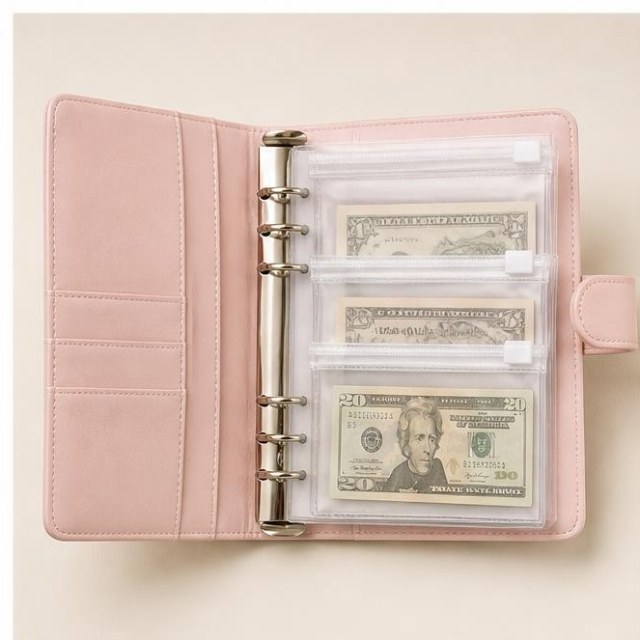 Budget binderCash stuffing, all in one place.See it on Amazon
 Undated weekly plannerPlan the week in ten minutes.See it on Amazon
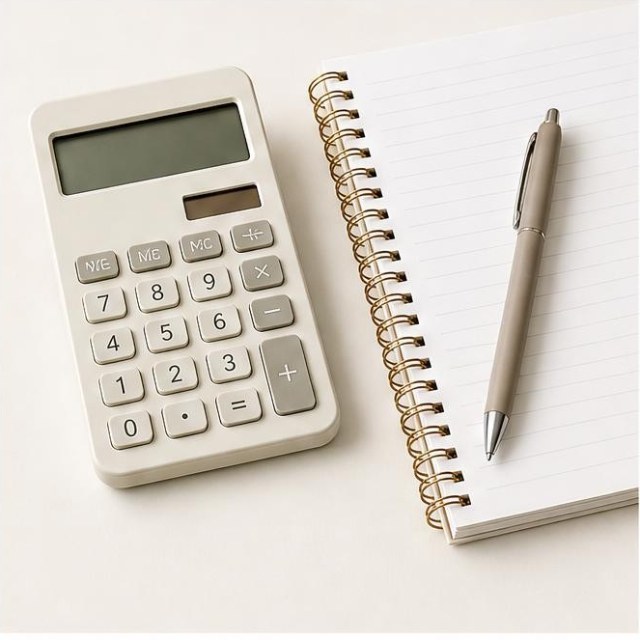 Desk calculatorDo the numbers on paper once a week.See it on Amazon
 Cash envelopesSpend what is in the envelope, then stop.See it on Amazon
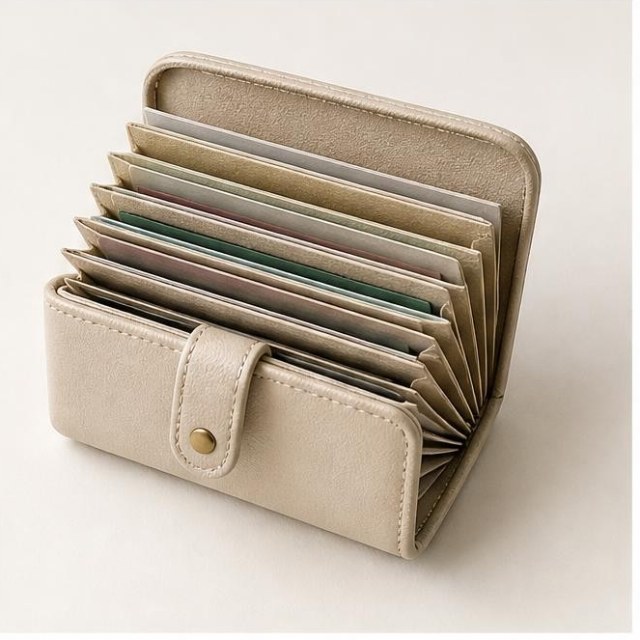 Receipt organizerKeep receipts and returns in one spot.See it on Amazon
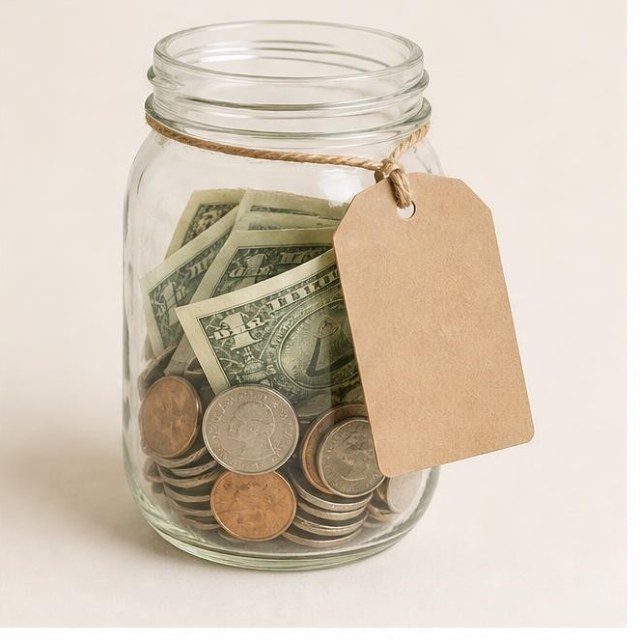 Savings jarSeeing it grow keeps you going.See it on Amazon
Affiliate links. As an Amazon Associate I earn from qualifying purchases.
A sample paycheck plan
| Paycheck | Covers |
|---|---|
| First of the month | Housing, groceries, minimum payments |
| Second of the month | Utilities, car, insurance, extra debt payment |
| Third (twice a year) | Mostly extra debt payment, a little to savings |
Pitfalls to avoid
- Closing the budget app after a bad week. Adjust and carry on.
- Using cards for everyday spending while paying them off.
- Skipping the emergency fund.
- Comparing your timeline with anyone else’s.
Missed payments and collection calls are a sign to get help, not a personal failing. Nonprofit credit counselors can talk through your options.