Most savings challenges assume you have spare money. These do not. Each one works with small amounts, and every one can be shrunk to fit. The point is to build the habit. The total follows.
- Pick one challenge, not ten.
- Scale the numbers to what you can honestly spare.
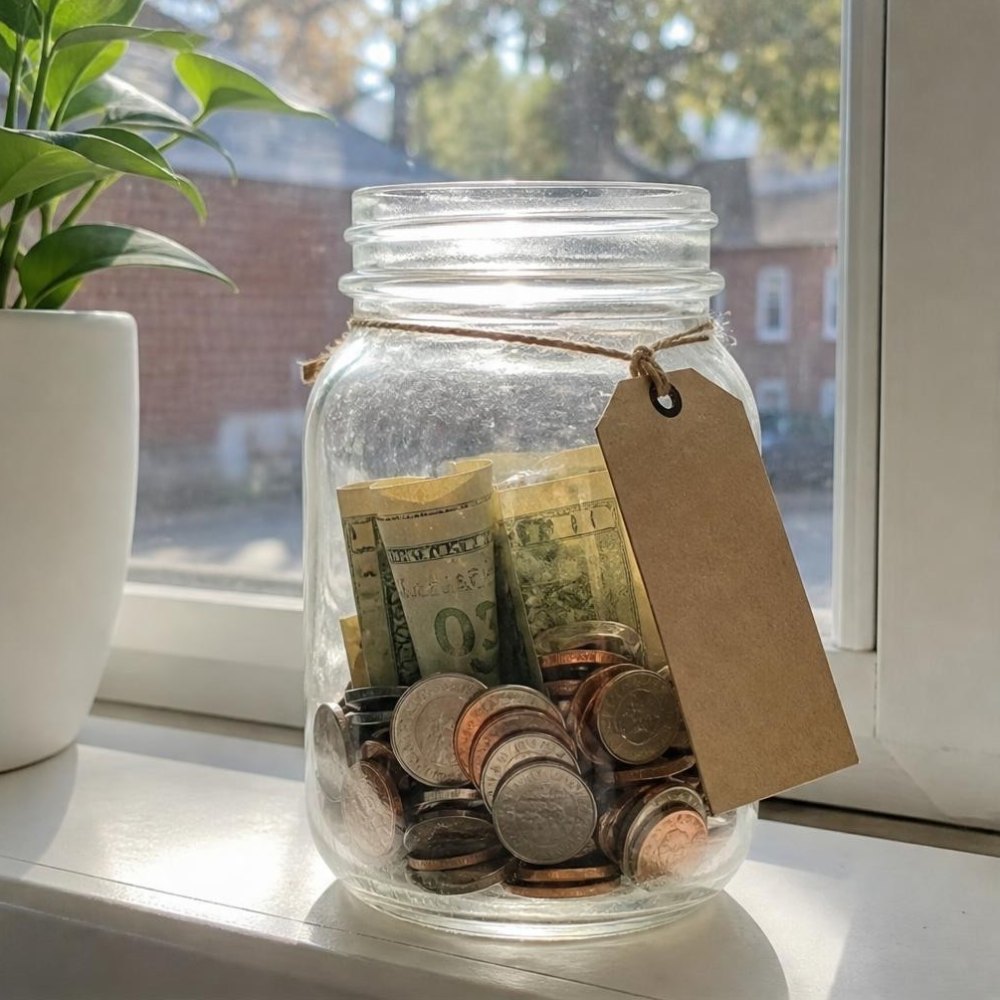
- Keep the money somewhere you cannot spend it by accident.
1. The $5 bill challenge
Every time you receive a $5 bill, it goes in the jar. If you rarely use cash, move $5 to savings each time you get paid.
2. The spare change roundup
Round every purchase up to the next dollar and save the difference. Many banking apps do this automatically.
3. The dollar a day challenge
One dollar a day into a jar or a separate account. Small enough to manage and it adds up over a year.
4. The no-spend weekend
One weekend a month with no spending beyond essentials. Plan free things: a walk, a movie at home, cooking from what you have.
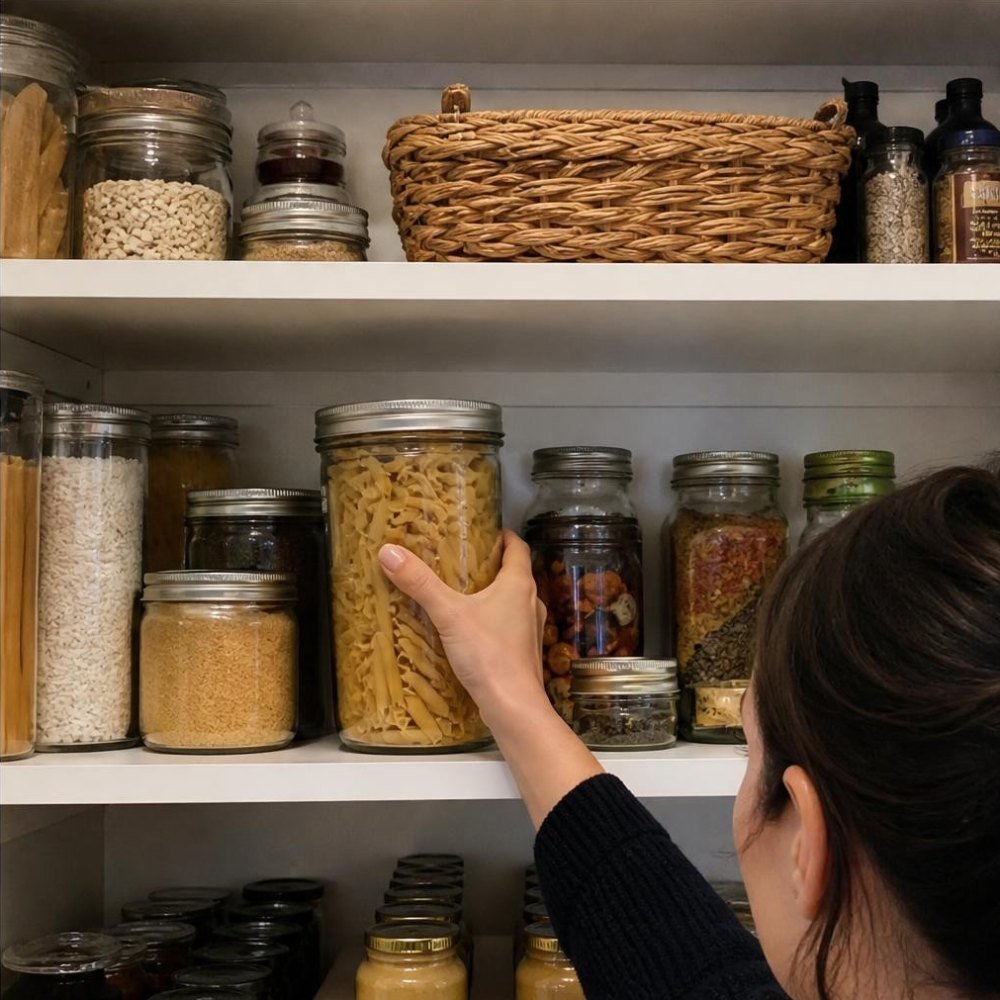
5. The pantry challenge
For one week, build meals from what is already in your cupboards, fridge and freezer. Buy only fresh basics. Save what you did not spend on groceries.
6. The reverse 52 week challenge
The classic version has you saving more each week. Flip it. Start with the biggest amount while you are motivated and finish with the smallest. Halve or quarter the amounts if you need to.
7. The cash envelope challenge
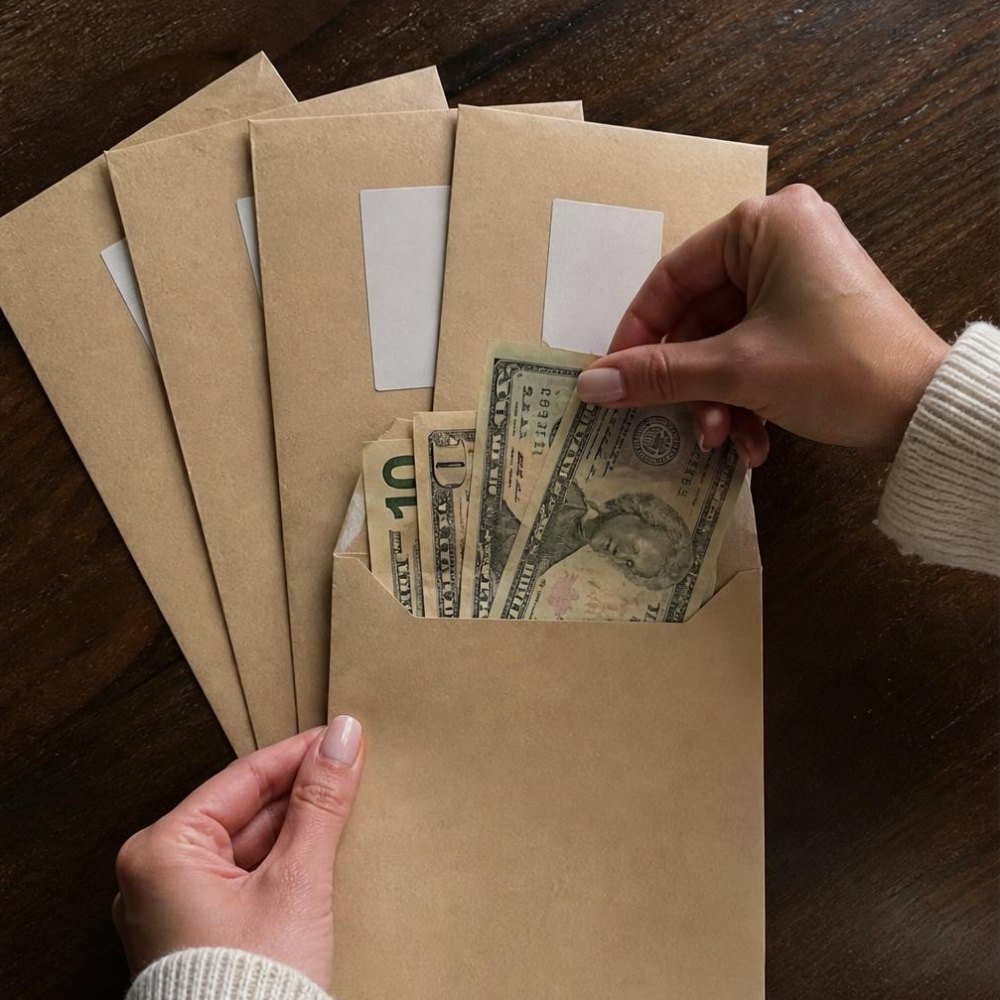
Put your weekly spending money for food and extras in envelopes. When an envelope is empty, that category is done for the week. Save anything left over.
8. The swap challenge
Each week, swap one paid thing for a free or cheaper one. Brand name for store brand, takeout for homemade, a bought coffee for a flask. Save the difference.
9. The found money rule
Any money you did not expect goes straight to savings: refunds, rebates, a gift, cash from selling something.
10. The one more day challenge
When you want to buy something, wait one more day. Each time you decide you do not need it, move part of the price to savings.
Simple tools that help
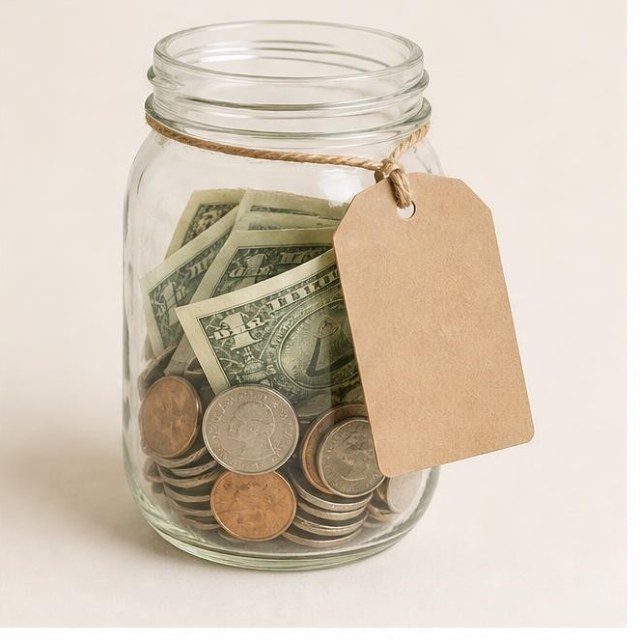 Savings jarSeeing it grow keeps you going.See it on Amazon
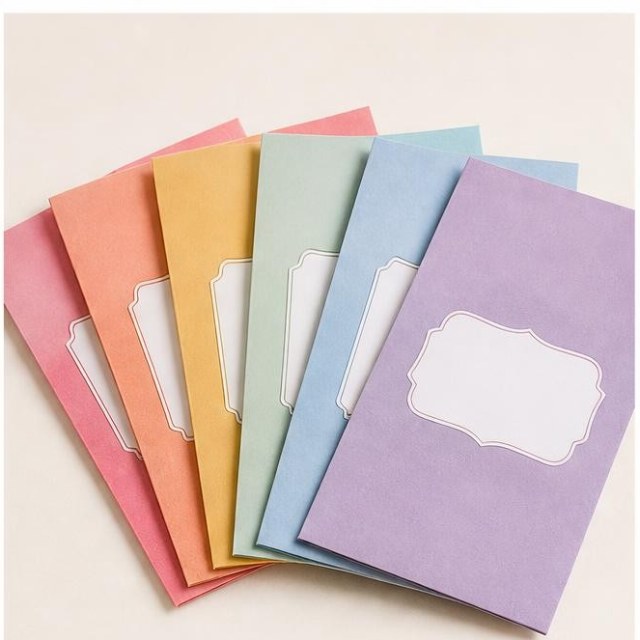 Cash envelopesSpend what is in the envelope, then stop.See it on Amazon
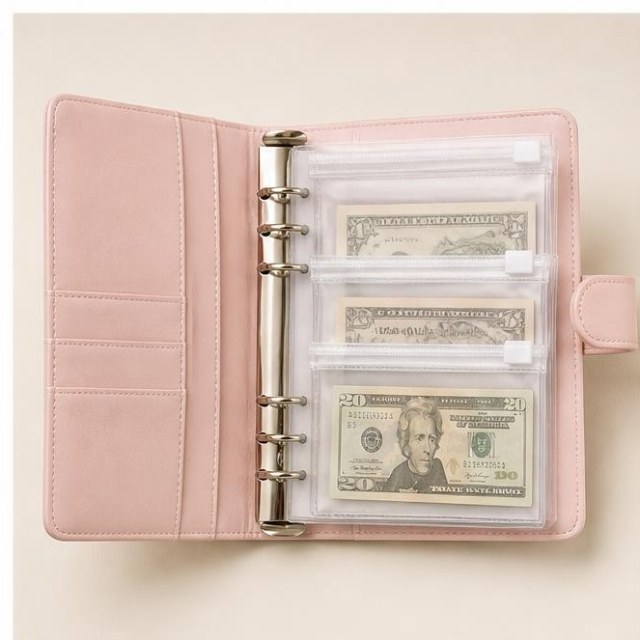 Budget binderCash stuffing, all in one place.See it on Amazon
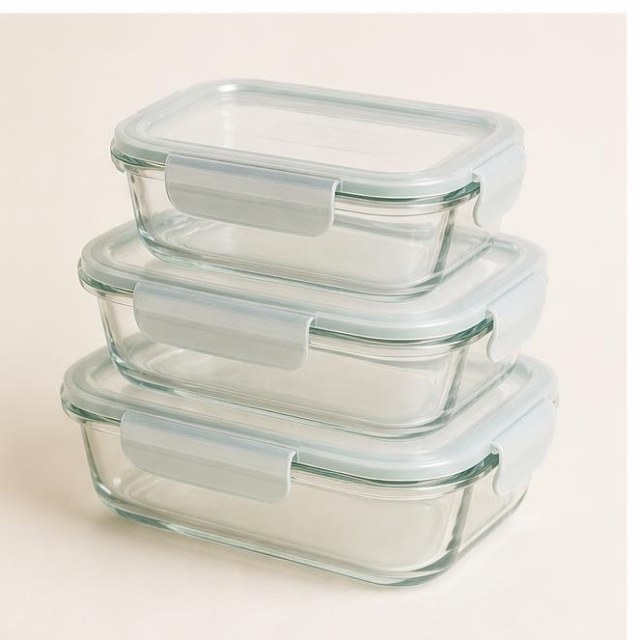 Glass meal prep containersCook once, eat four times.See it on Amazon
 Travel coffee mugHome coffee, taken with you.See it on Amazon
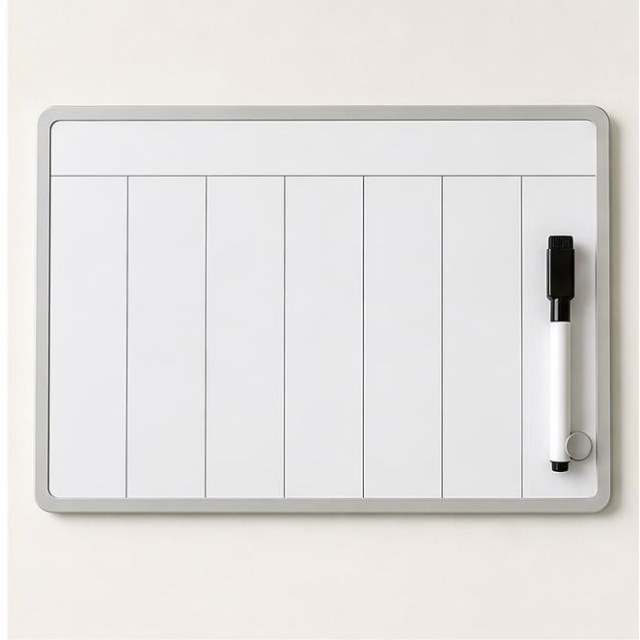 Fridge meal plannerPlan dinners before you shop.See it on Amazon
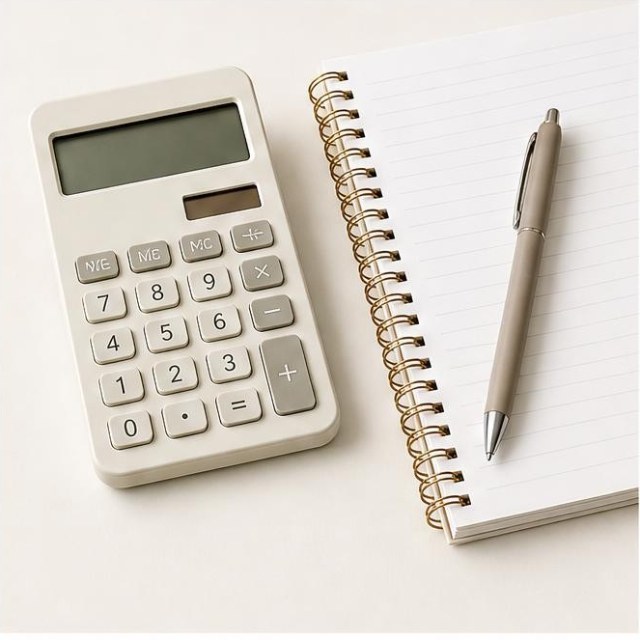 Desk calculatorDo the numbers on paper once a week.See it on Amazon
Affiliate links. As an Amazon Associate I earn from qualifying purchases.
Make it stick
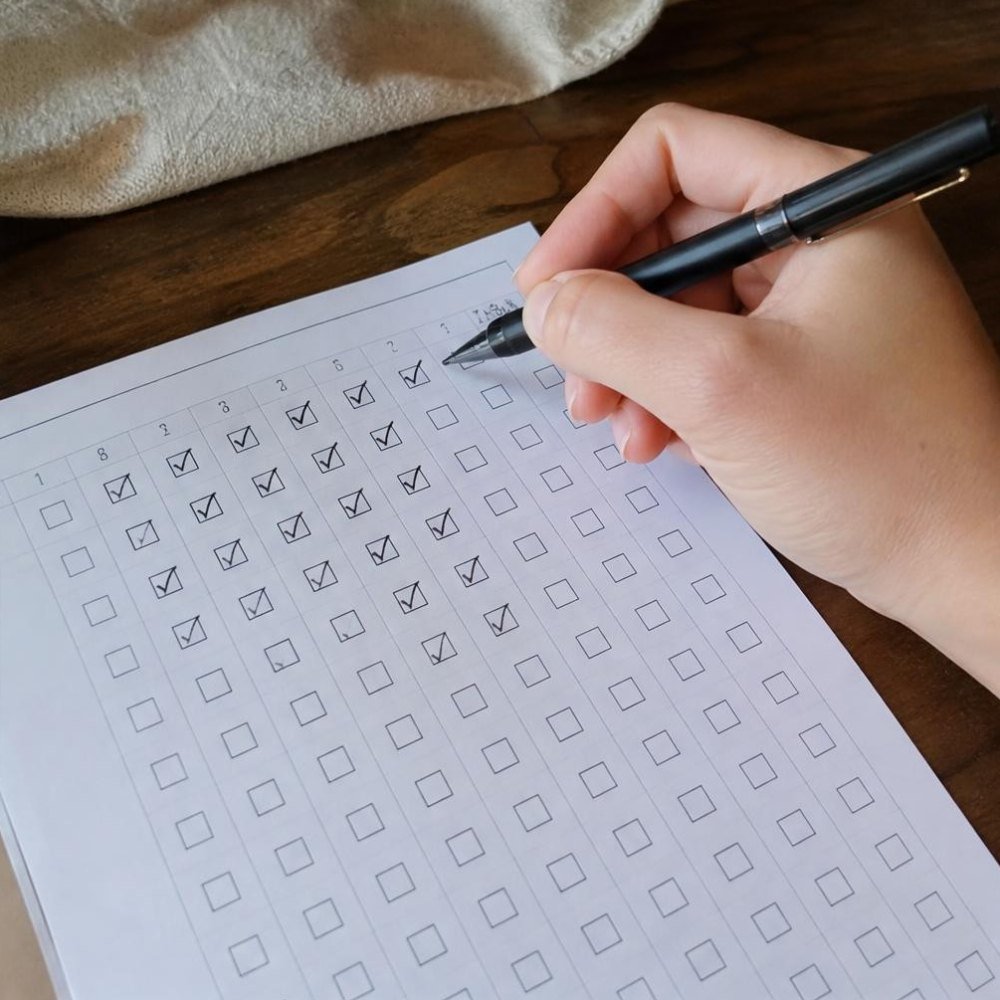
- Make it visible. Use a printed tracker or a clear jar.
- Make it automatic where you can.
- Tell someone. A friend doing it with you doubles your chances.
- Start again without guilt if you miss a week.
Where to keep the money
A separate savings account is safest, ideally one that pays interest and is not linked to your card. A jar works for the habit. Move it to the bank regularly.
Saving anything on a low income is hard, and some months it will not be possible. That is not a failure. Check whether you qualify for local support with bills and food, and come back to the challenge when you can.
More help: 14 frugal living tips for beginners and 9 ways to save on groceries.