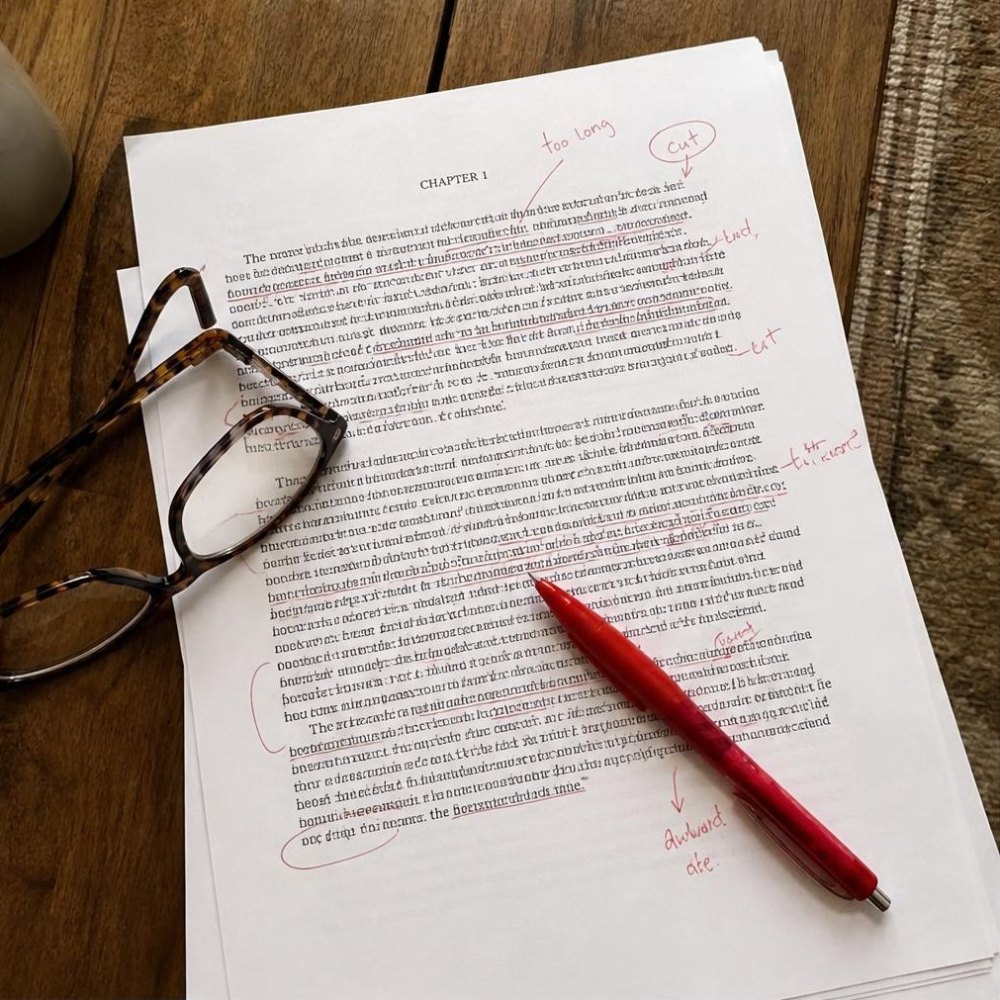
If typos jump off the page at you, proofreading is one of the most flexible ways to earn from home. You need a sharp eye, solid grammar and reliability. A degree helps for some niches, but plenty of proofreaders start without one.
- Proofreading is the final check: spelling, grammar, punctuation and consistency.
- Specialists earn more than generalists.
- Start with samples and small jobs, then pick a niche.
Proofreading vs editing
Editing improves how something is written. Proofreading catches what is wrong after the writing is finished. Be clear with clients about which they are paying for.
14 types of proofreading work
- Blog posts and web content. The easiest place to start. Businesses publish constantly.
- Self-published books. Indie authors need a final check before they hit publish.
- Academic papers. Theses, dissertations and journal articles. Follow each university’s rules on what help is allowed.
- Business documents. Reports, proposals and presentations.
- Marketing copy. Emails, ads and brochures, where a typo is costly.
- Resumes and cover letters. Quick jobs with grateful clients.
- Transcripts. Checking typed transcripts against the audio, including legal transcripts for those with training.
- Subtitles and captions.
- Ebooks and guides for online creators.
- Newsletters. Regular, repeat work.
- Product listings for online shops.
- Translated text. Polishing documents translated into English.
- Course materials. Slides, workbooks and lesson notes.
- Technical and medical documents. Higher pay, and specialist knowledge is required.
Where to find work
- Freelance marketplaces such as Upwork and Fiverr.
- Editing companies such as Scribendi and Scribbr, which hire freelance editors and usually set a test.
- Reedsy, a marketplace for publishing professionals with experience.
- Direct outreach to bloggers, authors and small businesses.
- Your own network. Everyone knows someone writing something.
Requirements change, so check each site’s current application page.
How to get started
- Brush up. Pick one style guide and learn it properly.
- Practice on real text and compare your corrections with published versions.
- Create three before and after samples.
- Take small first jobs to earn reviews.
- Choose a niche once you see what you enjoy.
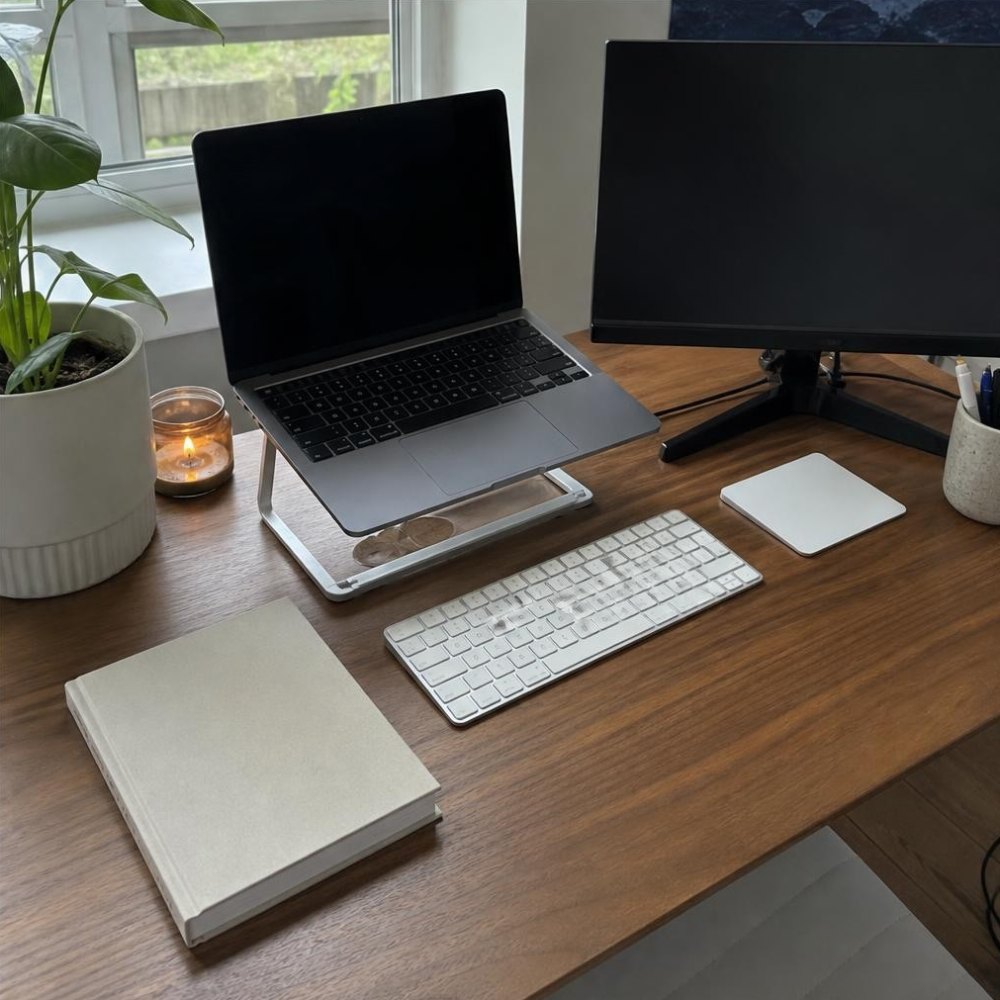
A proofreader’s desk
 Second monitorTwo screens make screen work quicker.See it on Amazon
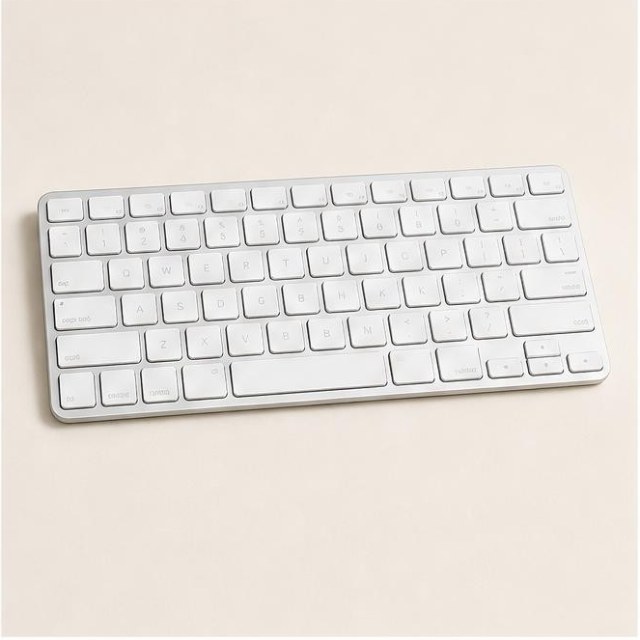 Wireless keyboardComfortable typing for long jobs.See it on Amazon
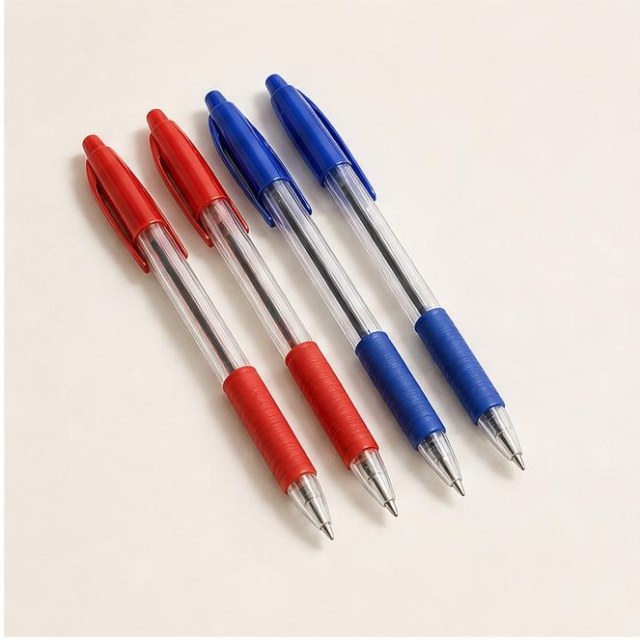 Red editing pensOld school, still the fastest way to mark up.See it on Amazon
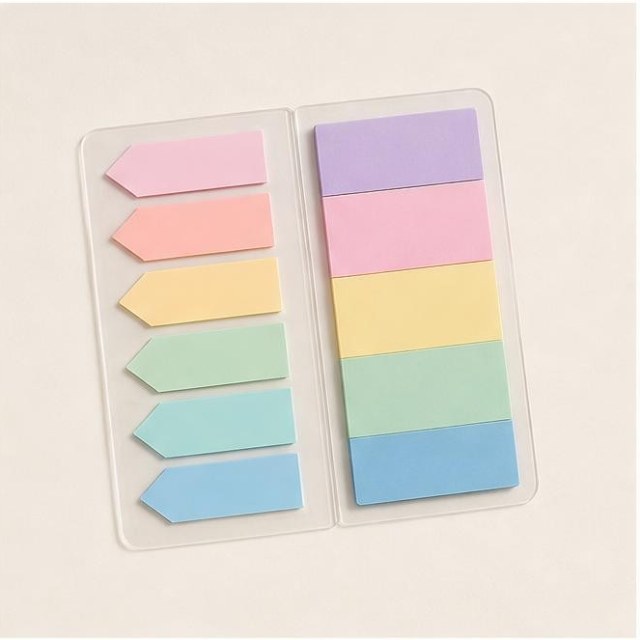 Sticky page flagsMark every note without writing in the book.See it on Amazon
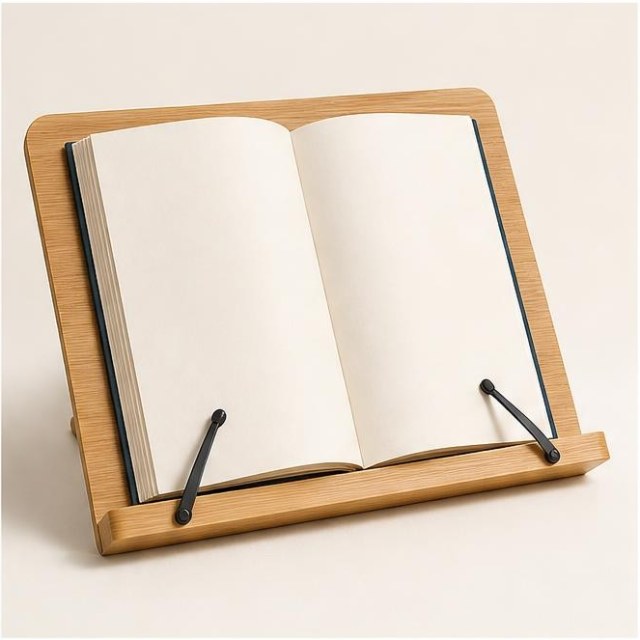 Book standHands free reading at a desk.See it on Amazon
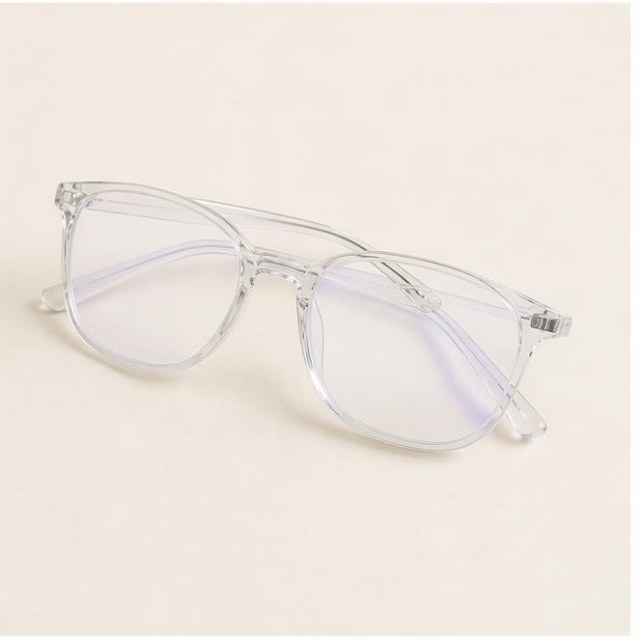 Blue light glassesEasier on the eyes after dark.See it on Amazon
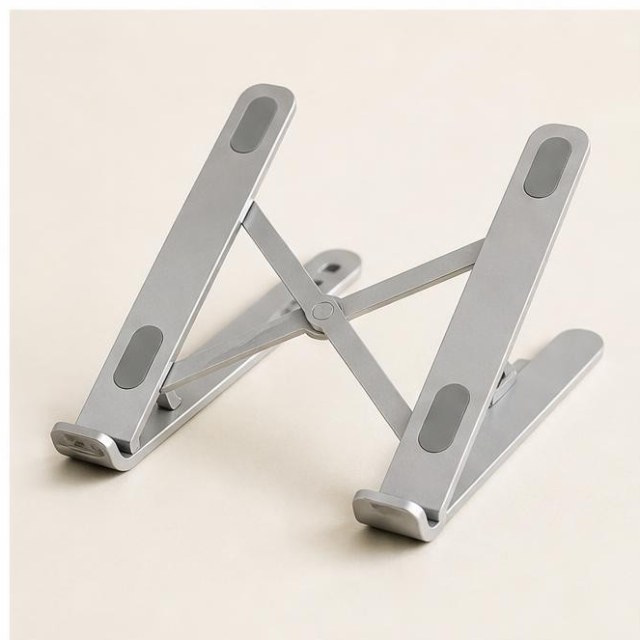 Laptop standSaves your neck on long sessions.See it on Amazon
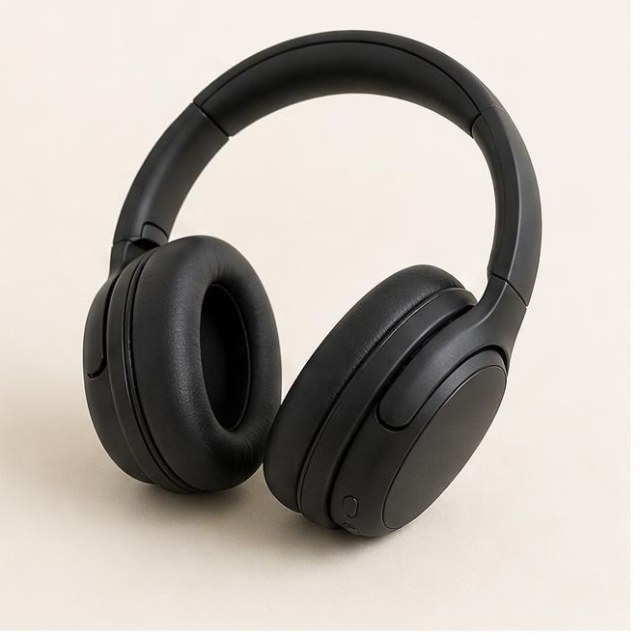 Over-ear headphonesQuiet focus anywhere.See it on Amazon
Affiliate links. As an Amazon Associate I earn from qualifying purchases.
Tools that help
- The spelling and grammar checker in your word processor, as a second pair of eyes, never the first.
- Track changes, so clients can see every correction.
- A style sheet for each client, noting their preferences.
- Text to speech. Hearing a document read aloud catches errors your eyes skip.
How proofreaders charge
Per word, per page, per hour or per project. Beginners often start per word because it is easy for clients to understand. Check what others in your niche charge and raise your rate as your speed improves.
A note on AI
Grammar tools are good at simple errors and bad at context, tone and consistency. Clients still pay people for judgment. Use tools to speed up, never to replace reading every word.
Say yes to work you can do well and no to specialist jobs you cannot. One careless medical or legal proofread can undo a good reputation.
More reading-based work: 13 ways to make money reading and how to get paid to read books aloud.