A blog that gets its readers from Pinterest is one of the few online businesses you can start for the price of a domain name. It is also slow, a bit lonely at the start, and very much worth it.
I run one. Most of its readers come from Pinterest, and it earns a few hundred dollars a month from ads. This is the guide I wish I had read first.
- Pick a visual topic people plan and shop for.
- Write helpful posts yourself. AI can help you outline, but thin, generic posts get you nowhere.
- Make several pins per post, keep pinning, and give it months, not weeks.
1. Pick a topic Pinterest actually likes
Pinterest users plan things: rooms, outfits, parties, meals, trips, budgets. Topics that do well are visual and seasonal.
Good signs: you can think of 50 post ideas, there are products to recommend, and the topic comes back every year. Home decor, food, fashion, crafts, travel, parenting and money all work.
2. Set up a simple site
You need a domain, hosting and WordPress. That is it. Choose a clean theme, make sure it loads fast on a phone, and add an about page and a contact page.
Do not spend three weeks on a logo. Nobody is looking yet.
3. Write posts worth clicking
Each post should fully answer one thing someone searches for. List posts work very well on Pinterest: “15 small balcony ideas”, “9 fall porch looks”.
- Write like you talk.
- Use your own experience and opinions.
- Add plenty of images, because Pinterest readers scan.
A warning from experience. It is tempting to mass produce posts with AI. Ad networks and readers can tell, and low quality content can get a site rejected. Use tools to plan and tidy. Do the thinking yourself.
4. Open a Pinterest business account
It is free. Claim your website, fill in your profile with the words people search for, and create five to ten boards named after clear topics, like “Small Kitchen Ideas” rather than “Yum”.
5. Design pins that get the click
This is where most of the results come from.
- Tall format. Vertical pins take up more of the screen.
- A number, the keyword, then a hook. “12 small closet ideas that actually fit.”
- Big, readable text. If you cannot read it at thumbnail size, it is too small.
- Real looking photos of the finished result.
Make three to five different pins for every post. You never know which one will take off.
6. Use keywords everywhere
Type your topic into Pinterest search and look at the suggestions. Those are real searches. Put the main phrase at the start of your pin title, and use related phrases in the description and the board name.
7. Pin steadily
A few fresh pins every day beats fifty in one sitting. Schedule them ahead with Pinterest’s own scheduler, and post seasonal content weeks early.
8. Turn readers into income
- Display ads. Ad networks pay for views. The bigger networks ask for a minimum amount of traffic and good quality content before they accept a site.
- Affiliate links. Recommend products you would actually buy and earn a commission.
- Your own products. Printables and guides earn more per reader than anything else. I sell printables alongside my blog.

What is on my desk
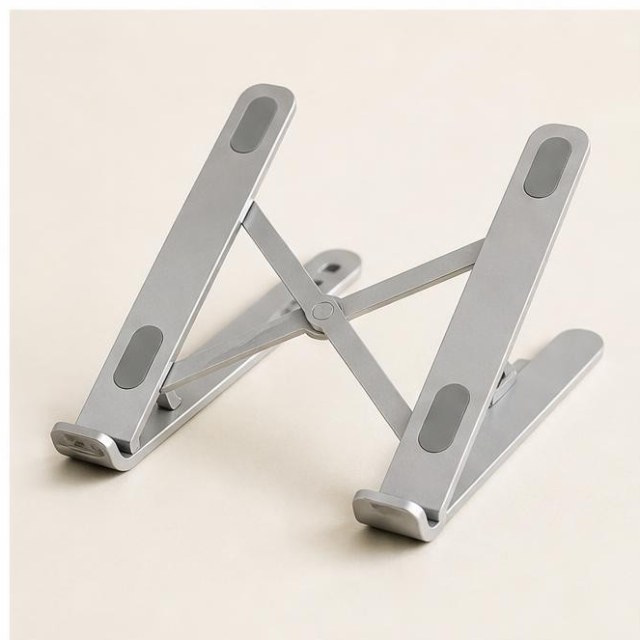 Laptop standSaves your neck on long sessions.See it on Amazon
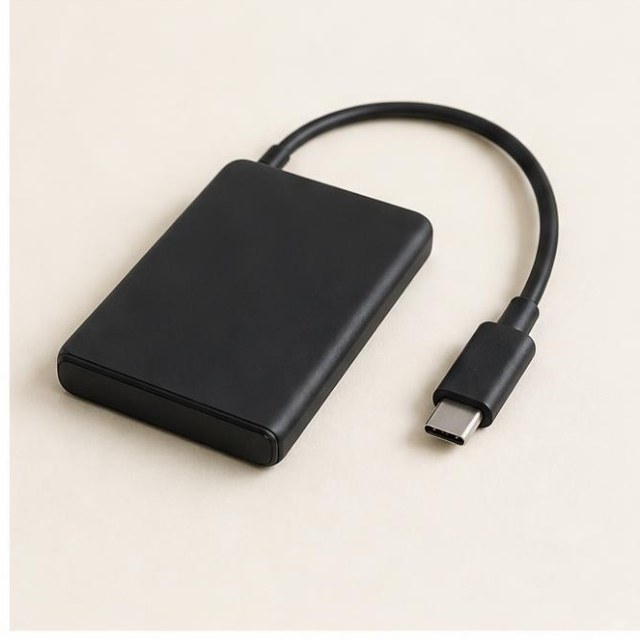 Portable SSDBack up your work in seconds.See it on Amazon
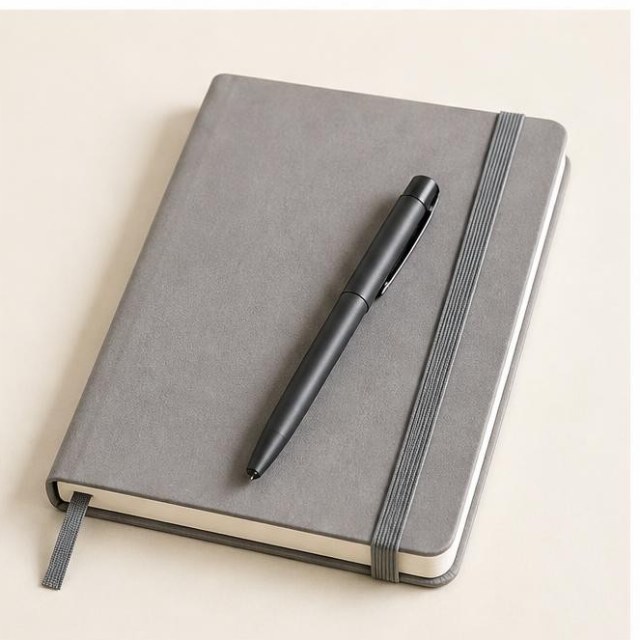 Undated weekly plannerPlan the week in ten minutes.See it on Amazon
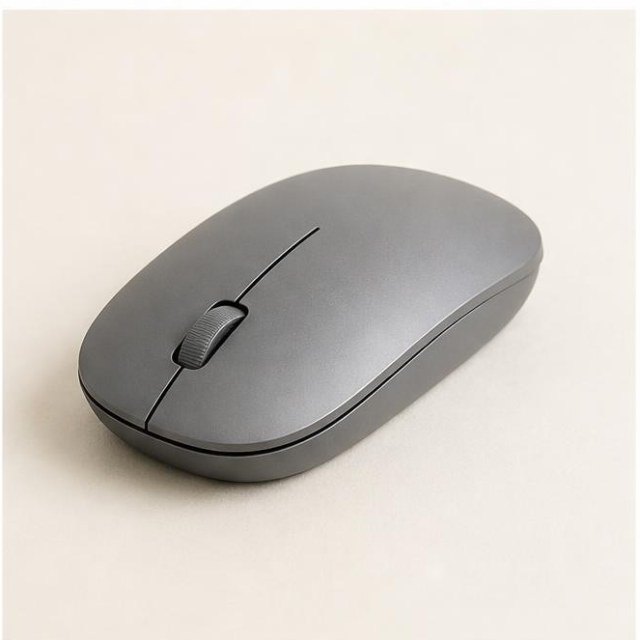 Wireless mouseFaster than a trackpad for design work.See it on Amazon
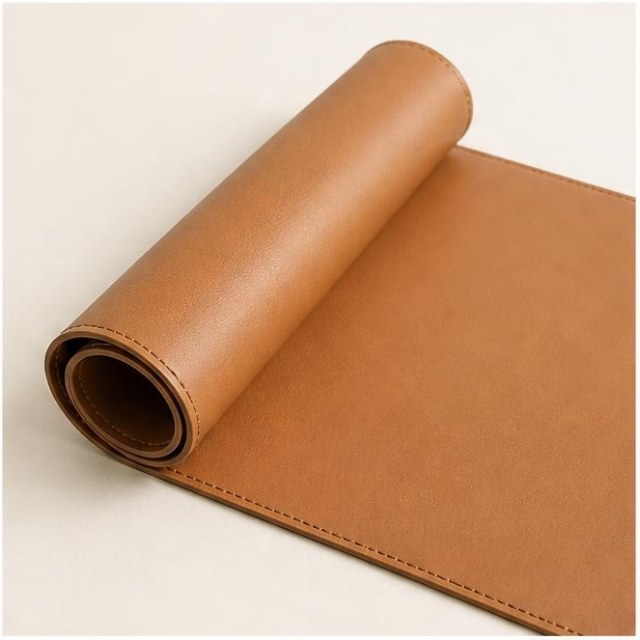 Desk matMakes any table feel like a desk.See it on Amazon
 Blue light glassesEasier on the eyes after dark.See it on Amazon
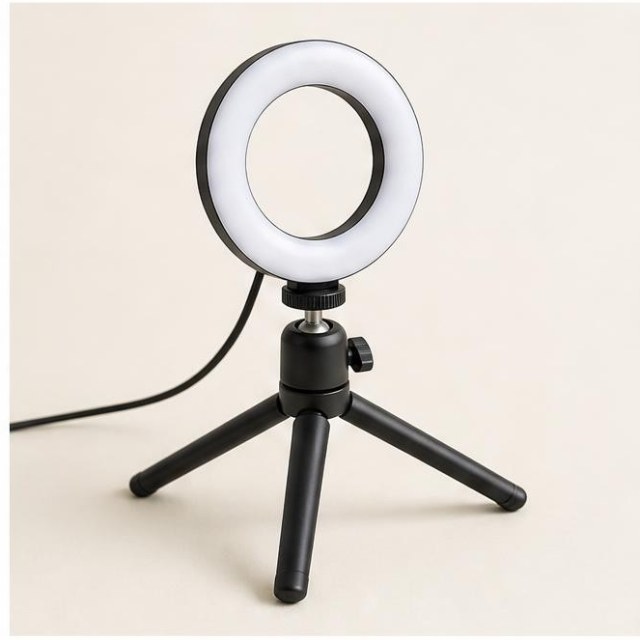 Desk ring lightBetter photos and calls at night.See it on Amazon
 Second monitorTwo screens make screen work quicker.See it on Amazon
Affiliate links. As an Amazon Associate I earn from qualifying purchases.
A realistic timeline
| When | What to expect |
|---|---|
| Months 1 to 3 | Writing, pinning and very little traffic. This is normal. |
| Months 4 to 6 | A few pins start to move. First small affiliate or ad income. |
| Months 6 to 12 | Traffic becomes steadier. Apply to better ad networks when you qualify. |
| Year 2 | Old pins keep working while you add new ones. This is where it gets fun. |
Everyone’s timeline is different. Some niches move faster, some slower, and some sites never take off. Nobody can promise you a number.
Mistakes I would skip next time
- Writing about ten topics instead of one.
- Making one pin per post and waiting.
- Checking stats every hour in month one.
- Ignoring seasons. Half of Pinterest is people planning the next holiday.
This is not fast money. It is a small asset you build in the evenings that can keep paying when you are not working on it. If that sounds good, start this weekend.