Getting paid to read books aloud is a real job. It is called audiobook narration, and it is harder than it sounds and more learnable than most people think. A finished hour of audio can take several hours to record and edit, so go in with open eyes.
I have not narrated audiobooks myself, so this guide sticks to how the industry works and what the platforms say publicly. Always check each site’s current terms.
- You need a quiet space and a decent microphone more than a perfect voice.
- Narrators are paid per finished hour, by royalty share, or a mix.
- Start with free practice and short books.
1. ACX is where most beginners start
ACX is the marketplace that connects authors with narrators for Audible. You create a profile, upload samples and audition for books. Check its eligibility rules for your country.
2. Your recording space matters most
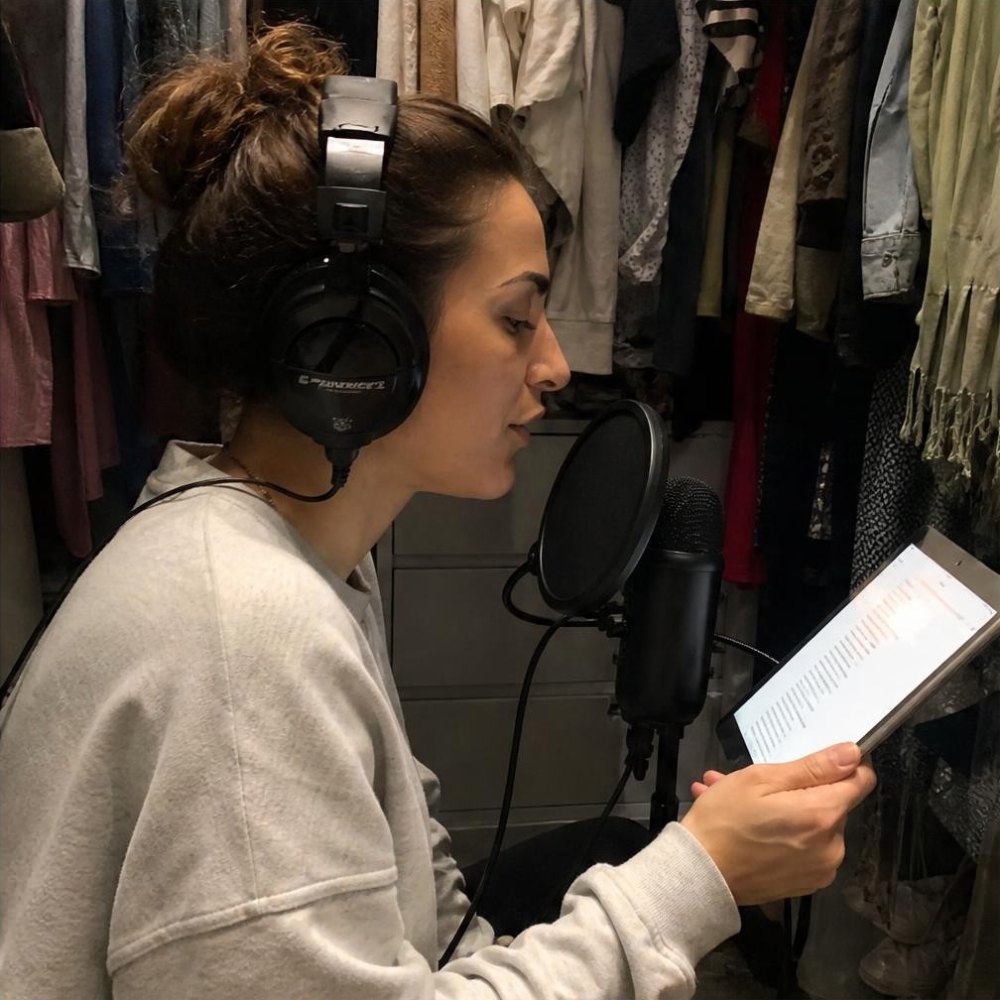
A small closet full of clothes beats an expensive microphone in an echoey room. Soft surfaces absorb sound.
3. The basic equipment
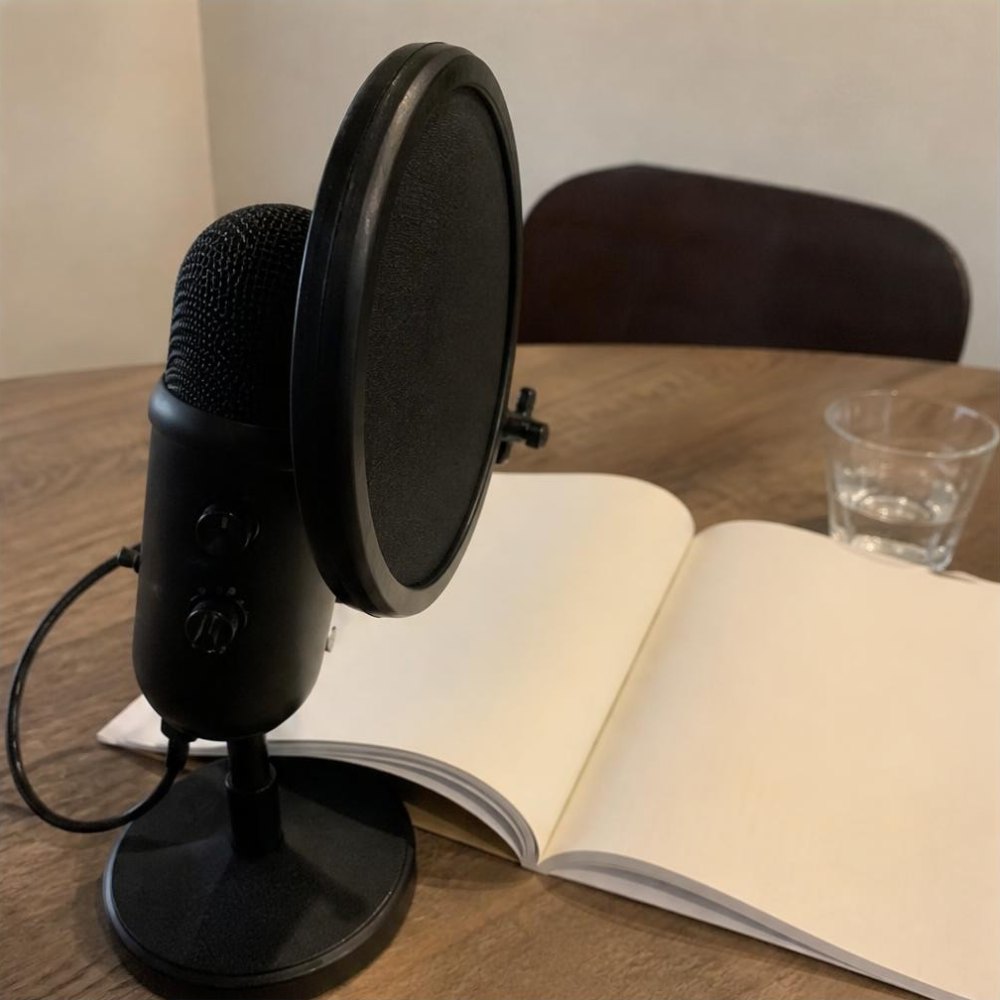
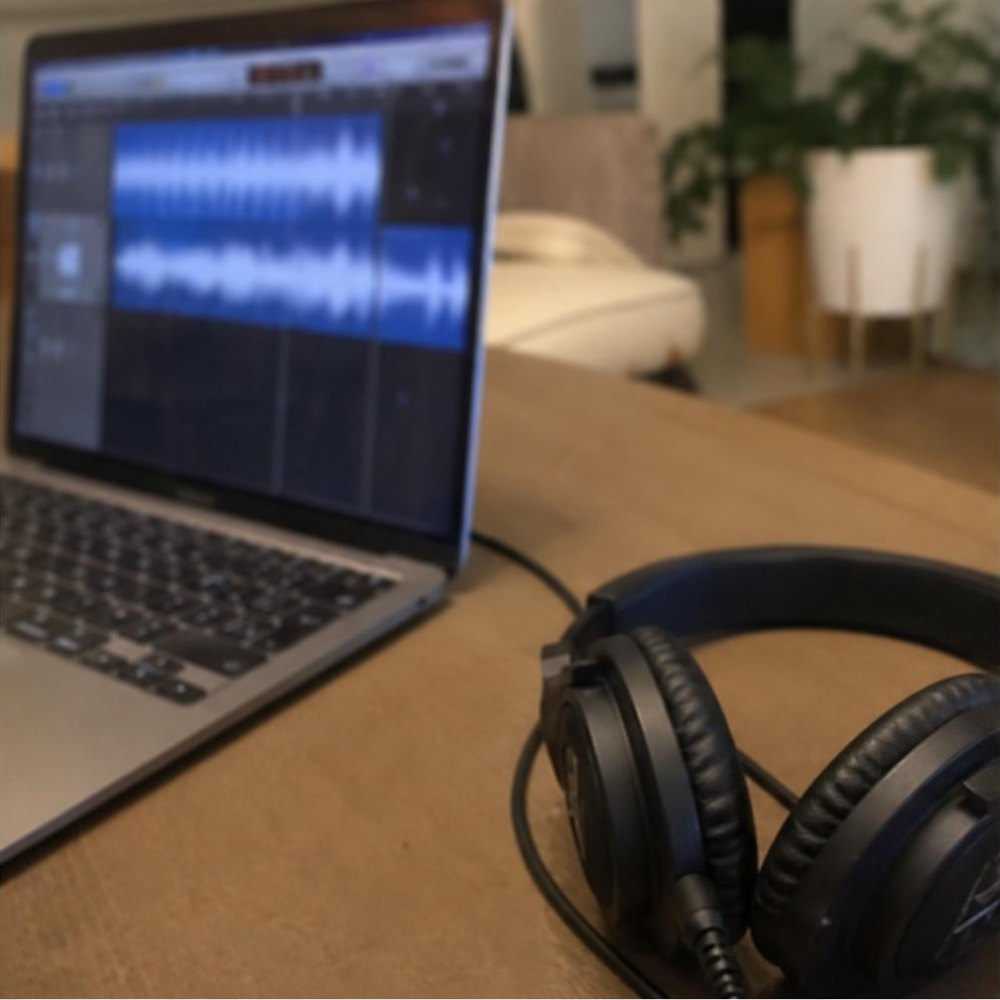
A USB condenser microphone, a pop filter, closed headphones and free recording software are enough to begin.
4. Know how you get paid
- Per finished hour: a set fee for each hour of final audio.
- Royalty share: no fee up front, and you split royalties with the author.
- A mix of both.
Royalty share is a gamble on how well the book sells. Many new narrators mix both kinds of project.
5. Voice marketplaces
Sites such as Voices.com, Voice123 and Bunny Studio list audiobook work alongside adverts and explainer videos. Some charge membership fees, so read the terms.
6. Practice for free with LibriVox
LibriVox volunteers record public domain books. It is unpaid, but it is real practice with feedback, and it gives you finished chapters to learn from.
7. Build three short samples
Record one to two minutes each of fiction, non-fiction and something with dialogue. These are what authors listen to.
8. Editing is half the job
You will remove mistakes, breaths and noise, and master the files to the platform’s technical standards. Budget several hours of work for each finished hour while you are learning.
9. Look after your voice
Water, warm-ups and breaks. Record at the same time of day so your voice matches between sessions.
10. The market is changing
AI narration is growing, especially for low-budget titles. Human narrators still win on acting, emotion and character voices, so lean into performance.
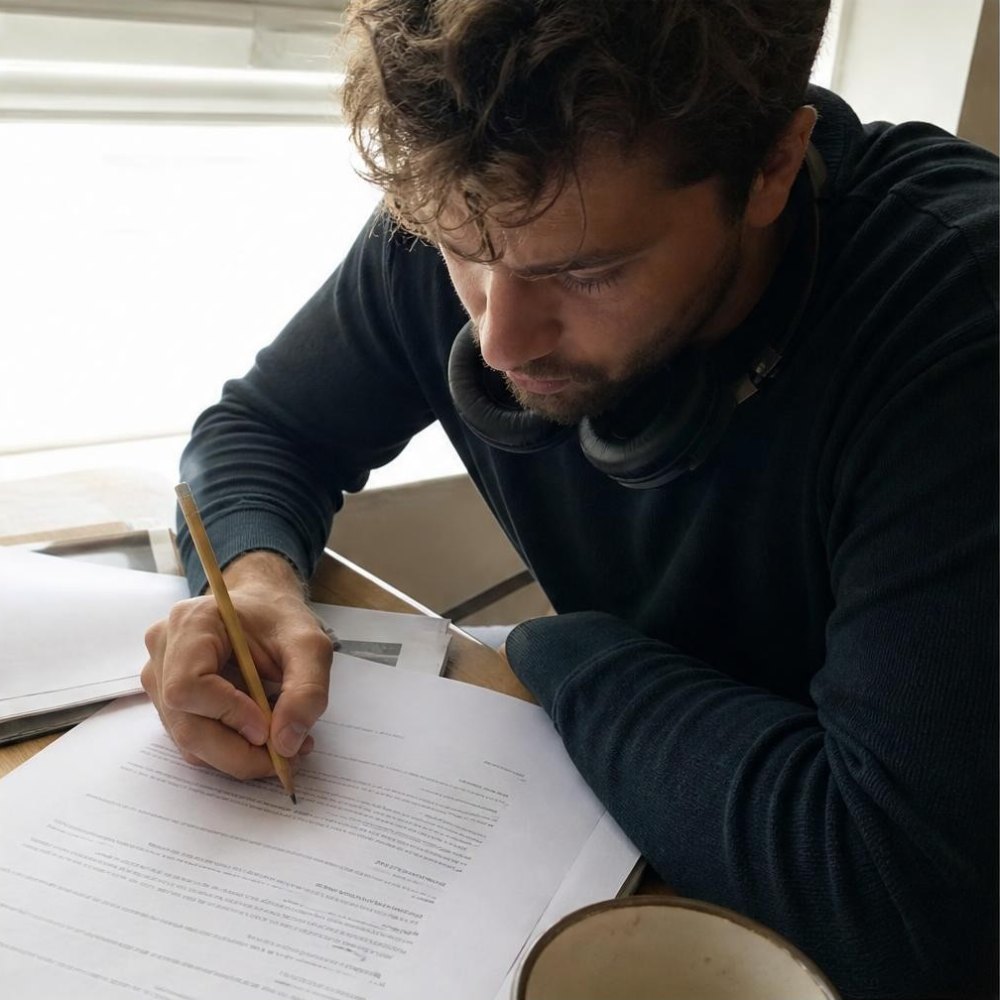
A simple home recording kit
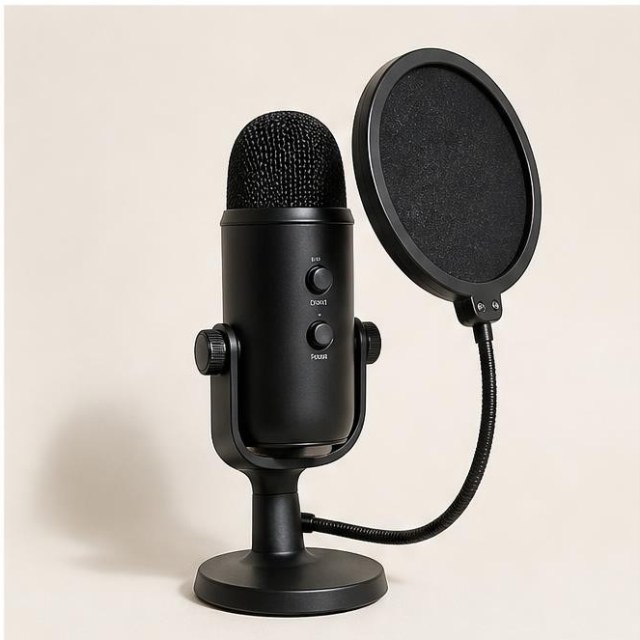 USB microphoneThe single biggest upgrade for voice work.See it on Amazon
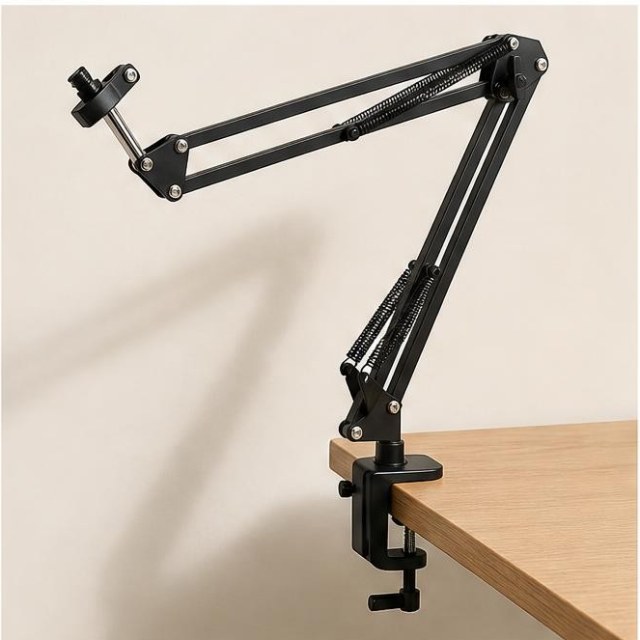 Mic boom armKeeps the mic close and the desk clear.See it on Amazon
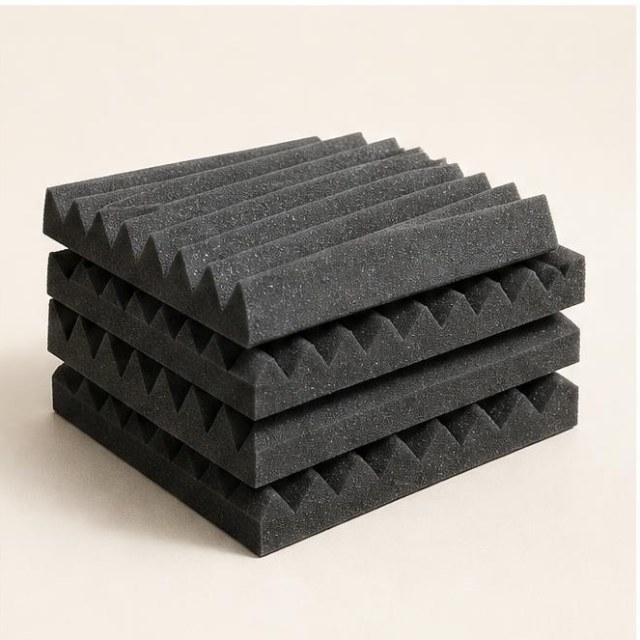 Acoustic foam panelsCuts echo in a small room.See it on Amazon
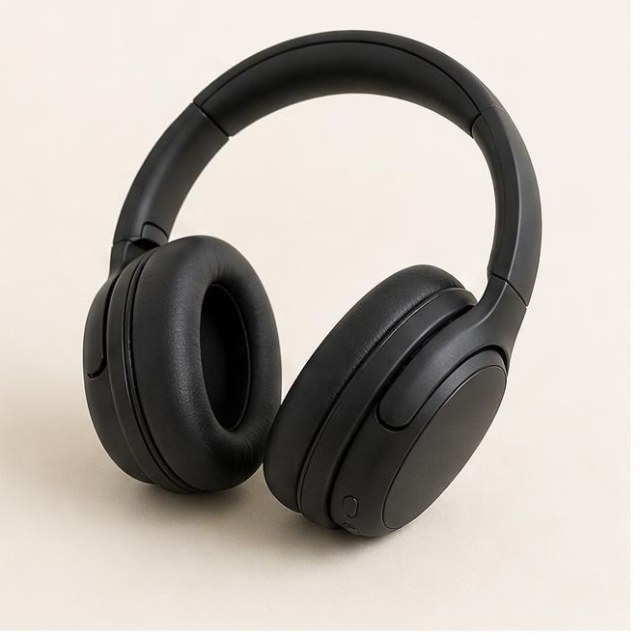 Over-ear headphonesQuiet focus anywhere.See it on Amazon
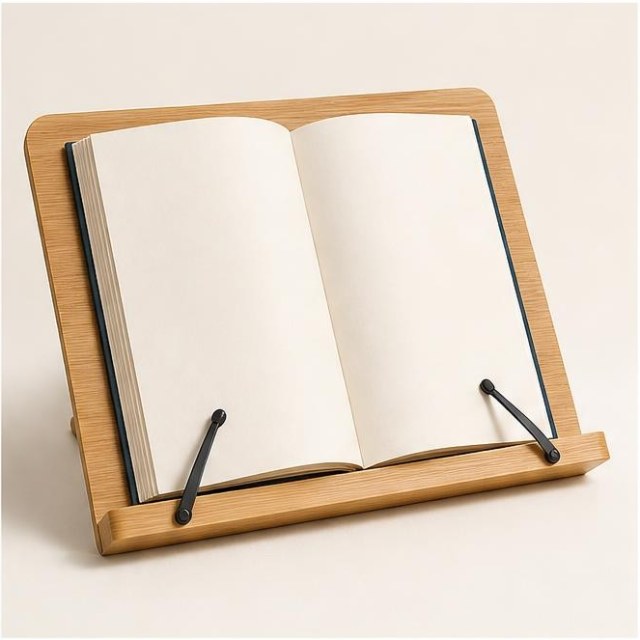 Book standHands free reading at a desk.See it on Amazon
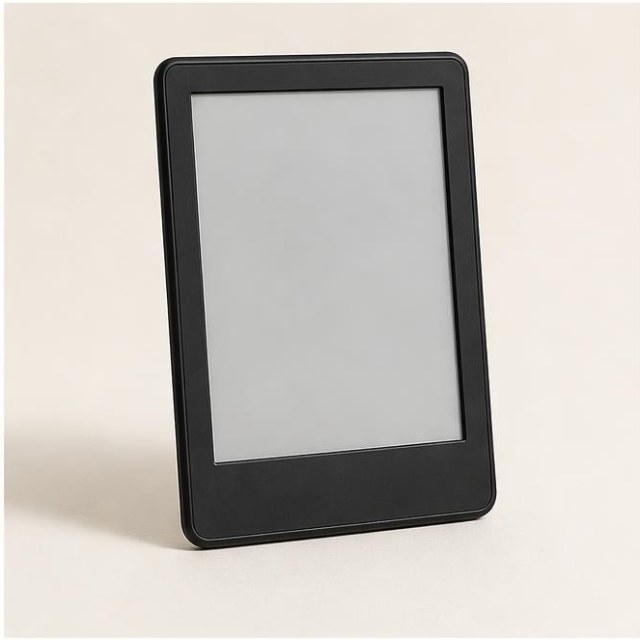 E-readerHundreds of books, no glare.See it on Amazon
 Insulated water bottleStops the daily drink purchase.See it on Amazon
Affiliate links. As an Amazon Associate I earn from qualifying purchases.
Other ways to get paid for reading aloud
- Narrating online courses and training videos.
- Recording for podcasts and YouTube channels.
- Voicing children’s stories for apps and educators.
Common beginner mistakes
- Recording in a room with echo.
- Auditioning for long books before finishing a short one.
- Skipping the platform’s audio requirements and failing review.
- Paying for expensive coaching before trying a free practice project.
If you love performing and have patience for editing, yes. Expect a slow start and treat your first few books as paid training.
Prefer reading quietly? See 13 ways to make money reading and online proofreading jobs.