
AI will not make money for you. It can make you faster at work people already pay for. That difference matters, because nearly everything sold as “passive AI income” is the first idea dressed up as the second.
I use AI tools most days for outlining, image making and tidying up drafts. I have also seen what happens to sites that let AI do all the thinking: thin content gets ignored by readers and rejected by ad networks. So this list is about using AI as an assistant, not a replacement.
- Clients pay for results and judgment, not for prompts.
- The best AI work pairs a tool with a skill you already have.
- Skip anything that promises income with no effort. It is always a course.

1. Writing and editing services
Businesses still need blog posts, emails and product pages. AI helps you research and draft faster, but the value you add is accuracy, voice and knowing what to cut.
First step: pick one industry you understand and offer a fixed-price blog post package.
2. Design and image work
Social graphics, product mockups, thumbnails and simple brand kits. AI image tools speed up concepts. You still need an eye for what looks good.
First step: build a small portfolio of before and after examples.
3. Chatbot and automation setup
Small businesses want a chatbot that answers common questions, or a workflow that files leads automatically. No-code tools make this possible without programming.
First step: build one for a friend’s business and document the time it saves.
4. Virtual assistant work, done faster
Inbox triage, meeting notes, research summaries and scheduling. A VA who uses AI well can handle more clients in the same hours.
First step: list five admin tasks you can now do in half the time and sell them as a package.
5. Short-form video and voice-over
Captions, scripts, rough cuts and clean voice-overs are all quicker with AI tools. Creators and brands pay editors who can turn a long video into ten good shorts.
First step: edit three sample clips from public domain or your own footage.

6. Training and workshops
Plenty of teams want to use AI and do not know where to begin. If you can explain it simply, you can run paid sessions for local businesses.
First step: write a one-hour “AI for your office” outline and offer it to one company.
7. Digital products
Templates, planners, prompt packs and printables, made with AI help and finished by hand. Slow to start, but it scales. See 8 AI-assisted digital products.
First step: make one product for a problem you have solved yourself.
8. Small apps and tools
With AI coding assistants, non-programmers can build simple calculators, trackers and browser tools. Solve one narrow problem for one kind of user.
First step: build a tiny tool you would use yourself.
9. A content site that is actually good
Blogs and newsletters still earn from ads and affiliate links. AI can help with outlines and images. The writing, the opinions and the experience need to be yours. This is what I do, and it is the long road.
First step: read how to make money blogging with Pinterest.

A setup that makes the work easier
 Second monitorTwo screens make screen work quicker.See it on Amazon
 Wireless keyboardComfortable typing for long jobs.See it on Amazon
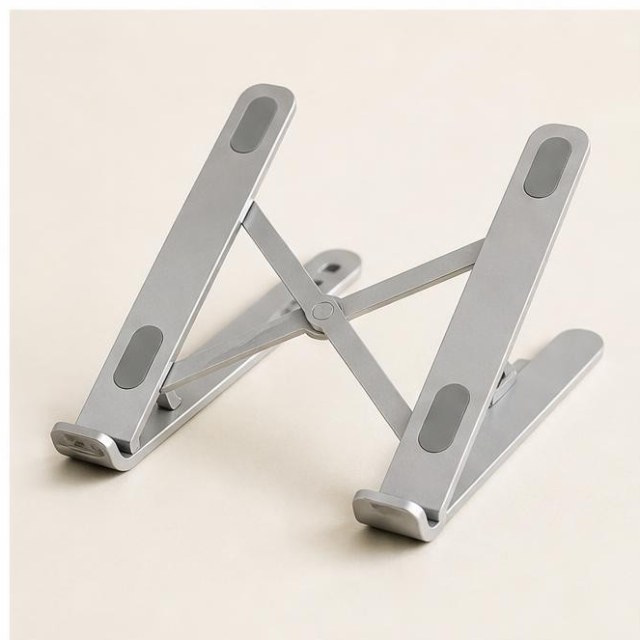 Laptop standSaves your neck on long sessions.See it on Amazon
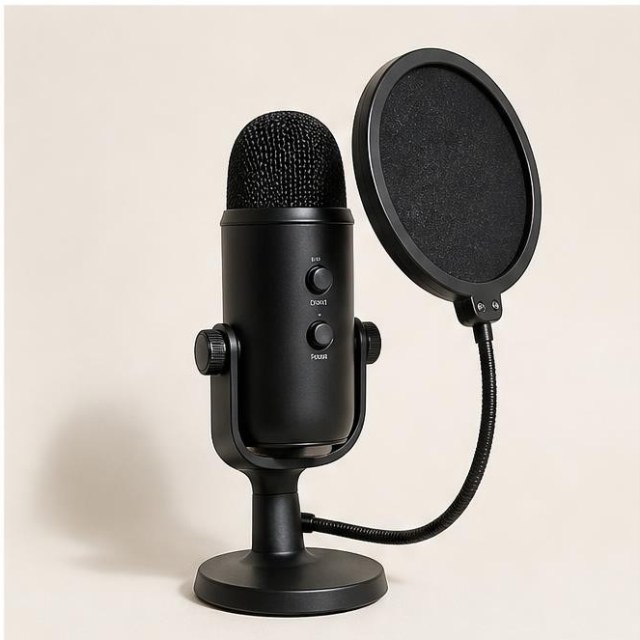 USB microphoneThe single biggest upgrade for voice work.See it on Amazon
 Over-ear headphonesQuiet focus anywhere.See it on Amazon
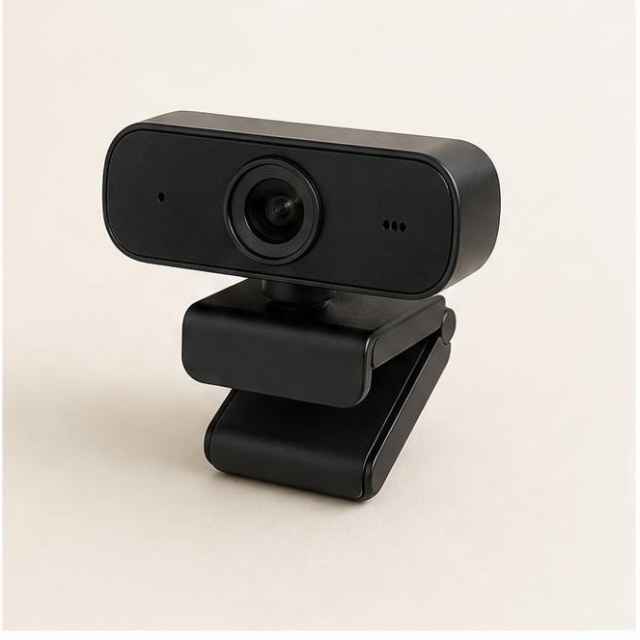 HD webcamA clear picture for client calls.See it on Amazon
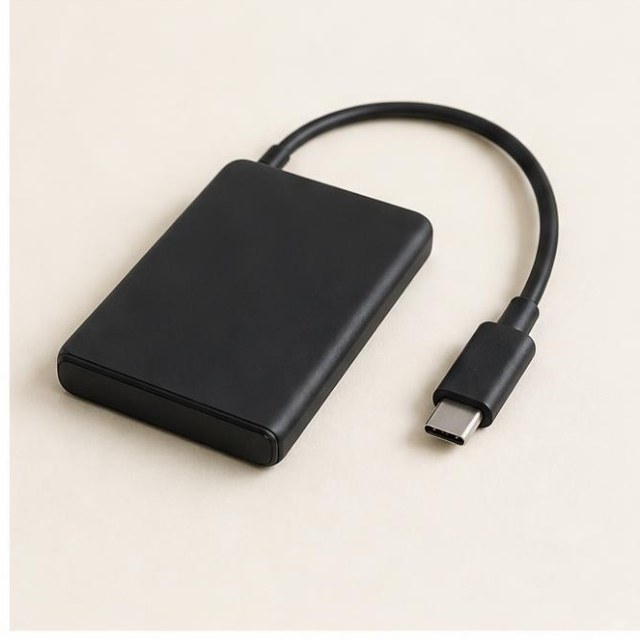 Portable SSDBack up your work in seconds.See it on Amazon
 Undated weekly plannerPlan the week in ten minutes.See it on Amazon
Affiliate links. As an Amazon Associate I earn from qualifying purchases.
Pitfalls to avoid
- Publishing unedited AI output. Clients notice, and so do platforms.
- AI trading bots and “guaranteed” returns. I would stay well away.
- Ignoring the rules. Some marketplaces and publishers require you to disclose AI use.
- Using real people’s names, voices or styles. It is a legal and ethical mess.
- Buying a course before earning a dollar. Almost everything you need is free.
Skills worth learning first
- Writing a clear brief. Good prompts are just good instructions.
- Checking facts. AI is confidently wrong more often than you would like.
- Basic editing, in words, images or video.
- Talking to clients about outcomes, not tools.
None of this is instant. The people doing well were already good at something, and AI made them quicker. Start with what you know.