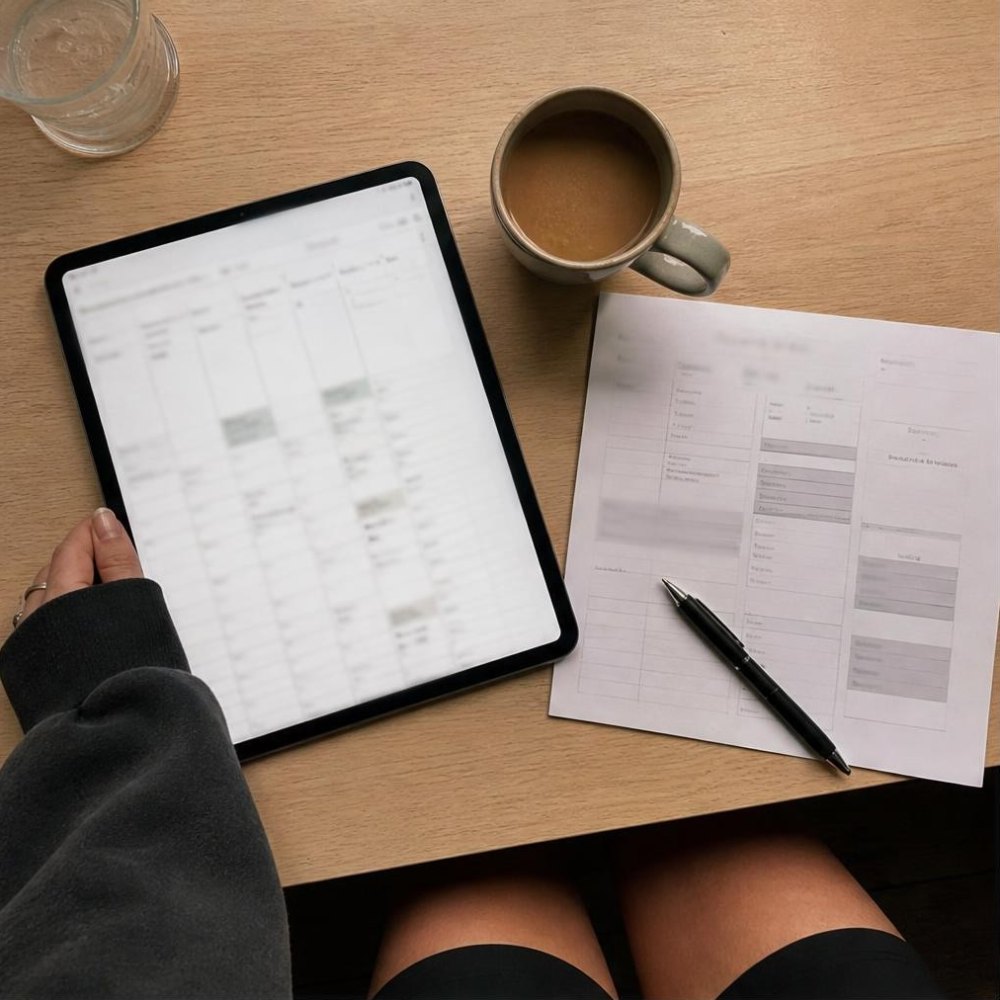
A digital product is a file someone buys and downloads. You make it once, and it can sell while you are doing something else. AI tools make the making faster. They do not make it effortless, and the products that sell still need a real idea behind them.
I sell printables myself. They are made with care, tested on real people and improved over time, and that is what buyers pay for.
- Solve one specific problem for one specific person.
- Use AI for drafts, variations and images, then finish by hand.
- Disclose AI use where a marketplace asks for it.

1. Printable planners and trackers
Budget trackers, habit trackers, meal planners, chore charts. AI helps you brainstorm layouts and wording. The design and testing are on you.
2. Templates
Resume templates, social media templates, spreadsheet budgets, invoice templates. People pay to skip the blank page.
3. Ebooks and short guides
A focused 20 page guide on something you know well beats a 200 page book on something you do not. Use AI to outline and edit. Write the substance yourself.
4. Wall art and printable decor
Abstract prints, nursery art, seasonal signs. Create your own style and stay away from other artists’ names, brands and characters.
5. Coloring pages and activity sheets
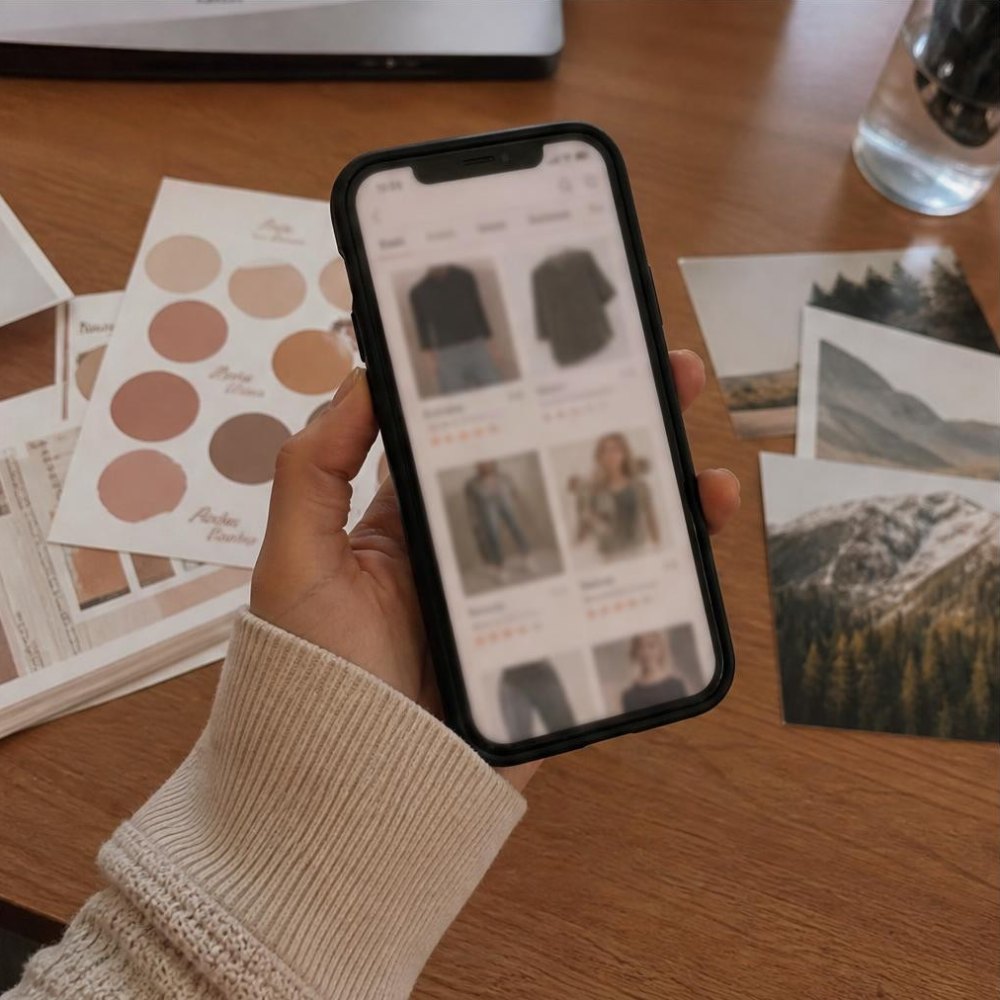
Clean line art on a single theme, sold as a printable pack. Check every page by hand. AI line art often has odd details that need fixing.
6. Prompt packs
Collections of tested prompts for a specific job, like real estate listings or lesson planning. Only sell prompts you have actually used and refined.
7. Worksheets and study aids
Flashcards, revision sheets and practice pages. Accuracy is everything here, so check every answer.
8. Stock graphics and clip art
Icon sets, patterns and digital paper for other makers. Read each marketplace’s rules on AI content first, because they differ.
Handy for making and testing
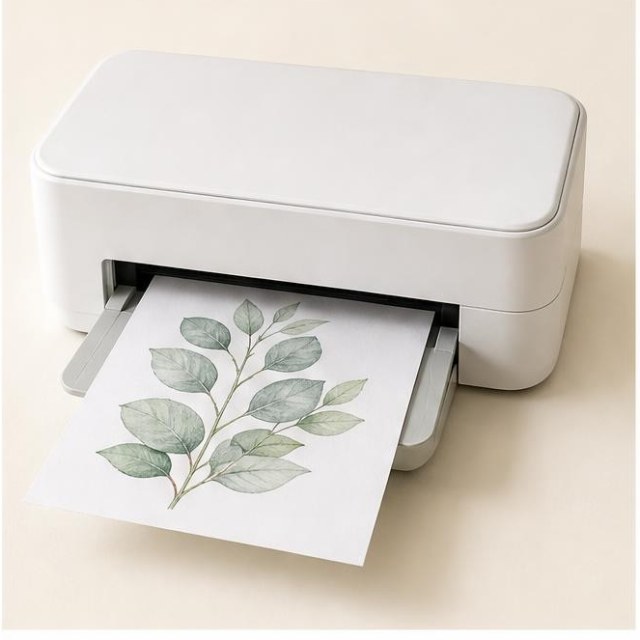 Photo inkjet printerFor printing small batches at home.See it on Amazon
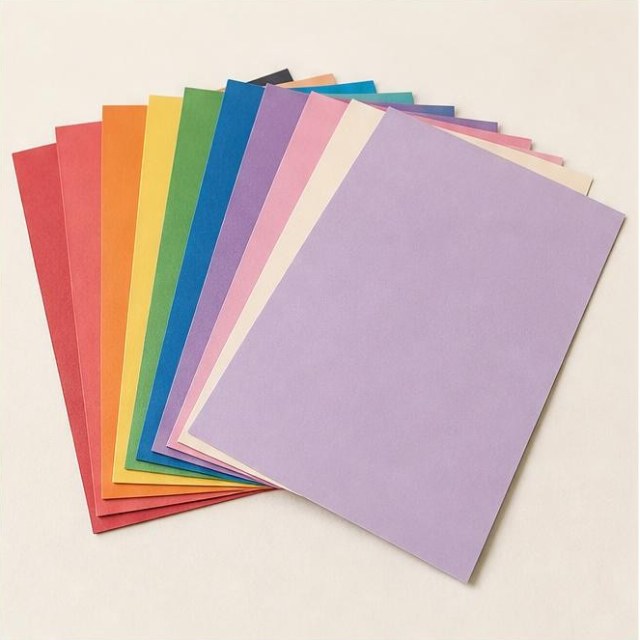 Cardstock packFor cards, toppers and banners.See it on Amazon
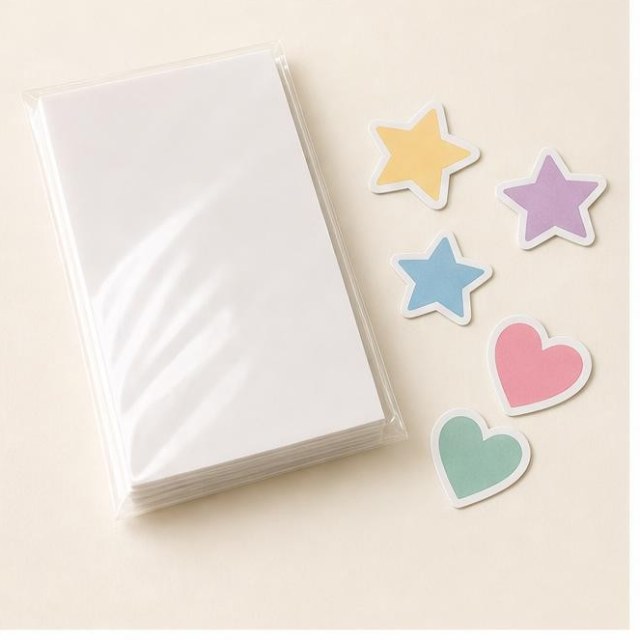 Printable sticker paperTurn doodles into sticker sheets.See it on Amazon
 Second monitorTwo screens make screen work quicker.See it on Amazon
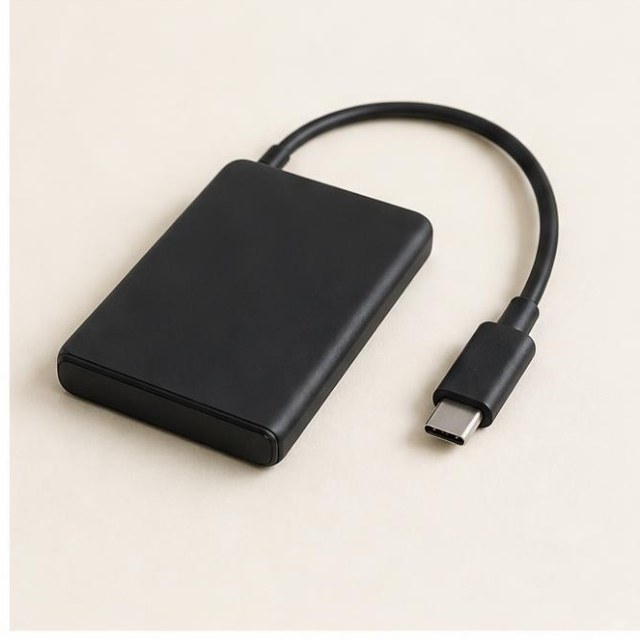 Portable SSDBack up your work in seconds.See it on Amazon
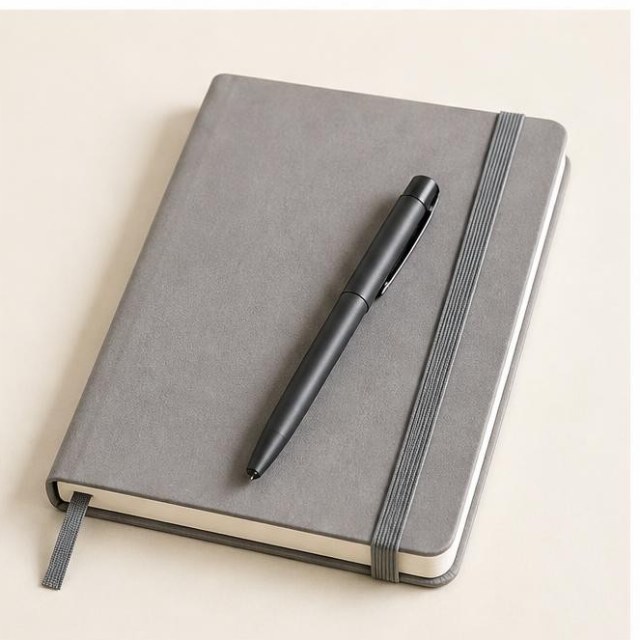 Undated weekly plannerPlan the week in ten minutes.See it on Amazon
Affiliate links. As an Amazon Associate I earn from qualifying purchases.
Where to sell
- Etsy: huge audience, fees on each sale, lots of competition.
- Payhip or Gumroad: simple storefronts where you bring your own traffic.
- Your own site: the most control once you have an audience.
Most people start on a marketplace and add their own store later.

How to get your first sales
- Make the listing image show the product in use, not a flat file.
- Write the title with the words buyers search for.
- Pin it. Pinterest is where a lot of printable buyers start.
- Ask early buyers what they wish it included, then improve it.
The rules you cannot skip
- Disclosure: some marketplaces, including Etsy, ask you to state when AI was used.
- Copyright: purely AI-generated work may not be protected by copyright in some countries. Adding real creative work of your own matters.
- Trademarks: no brand names, characters or celebrities, ever.
- Licenses: check your AI tool’s terms allow commercial use on your plan.
The easy part is generating a file. The hard part is making something a real person finds useful enough to pay for. Spend your time there.
Next: 15 Ideogram prompts you can copy and 7 ways to make money with Pinterest.