
A money saving challenge turns saving into a game with a finish line. You are not trying to be perfect with money forever. You are just trying to color in the next box.
- The classic 52-week challenge saves $1,378 in a year, starting with $1.
- If that is too much, there are smaller versions below that still build the habit.
- Move the money the day you get paid, not at the end of the week.
- Keep it somewhere separate so you are not tempted to dip in.
How the 52-week challenge works
In week 1 you save $1. In week 2, $2. Each week you add one more dollar, until you save $52 in week 52. Add it all up and you have $1,378.
| Weeks | You save each week | Running total |
|---|---|---|
| 1 to 13 | $1 to $13 | $91 |
| 14 to 26 | $14 to $26 | $351 |
| 27 to 39 | $27 to $39 | $780 |
| 40 to 52 | $40 to $52 | $1,378 |
It starts easy and gets harder, which is its one weakness. The biggest weeks land at the end of the year, right when the holidays do.

3 easier versions
1. The reverse challenge
Start with $52 in week 1 and work down to $1. You do the hard part while you are motivated, and December costs you almost nothing.
2. Pick any box
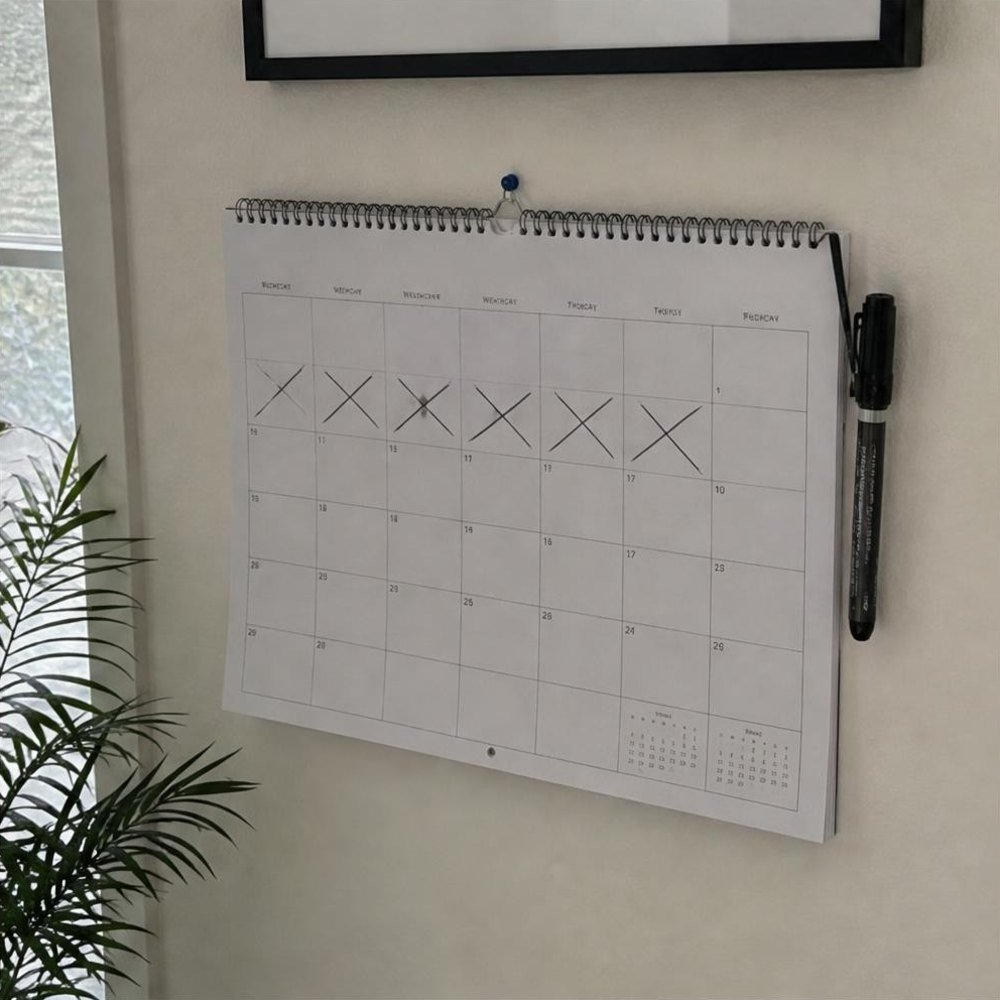
Print a tracker with all 52 amounts and cross off whichever one you can afford that week. Good week? Cross off $45. Tight week? Cross off $3. Same total, far less pressure.
3. The payday version
Paid every two weeks? Save on payday instead: 26 deposits, not 52. Choose an amount, or raise it by a few dollars each time.
Other challenges worth trying
The same amount every week
Not exciting, but it works. $10 a week is $520 in a year. $25 a week is $1,300. Set up an automatic transfer and you never have to think about it.
The $5 bill challenge
Every time you get a $5 bill in your change, it goes in the jar. No schedule, no math. It works best if you still use cash.
The no-spend month
Pick one month and spend only on essentials: housing, bills, food, transport. Everything you would have spent on extras goes into savings. January is the popular choice, because everyone is tired of spending by then.
Which one should you pick?
| Your situation | Try this |
|---|---|
| Brand new to saving | The same amount every week |
| Income changes month to month | Pick any box |
| Motivated right now | The reverse challenge |
| Paid every two weeks | The payday version |
| You use cash | The $5 bill challenge |
| You want a quick reset | The no-spend month |
How to actually finish

- Name the goal. “Emergency fund” or “summer trip” is easier to protect than “savings”.
- Make it visible. A tracker on the fridge works better than an app you never open.
- Automate what you can. If the transfer happens without you, you cannot forget it.
- Missed a week? Keep going. Skip it or catch up later. Stopping is the only way to fail.
- Put it out of reach. A separate savings account beats a jar you walk past every day.
Helpful for the challenge
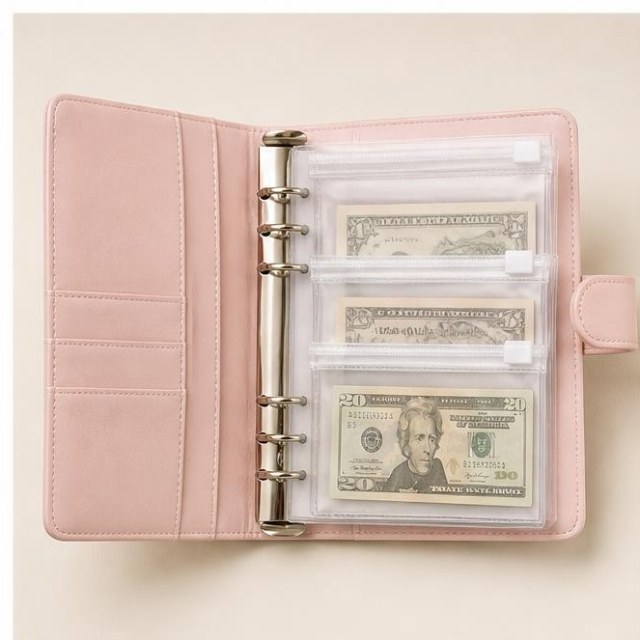 Budget binderCash stuffing, all in one place.See it on Amazon
 Cash envelopesSpend what is in the envelope, then stop.See it on Amazon
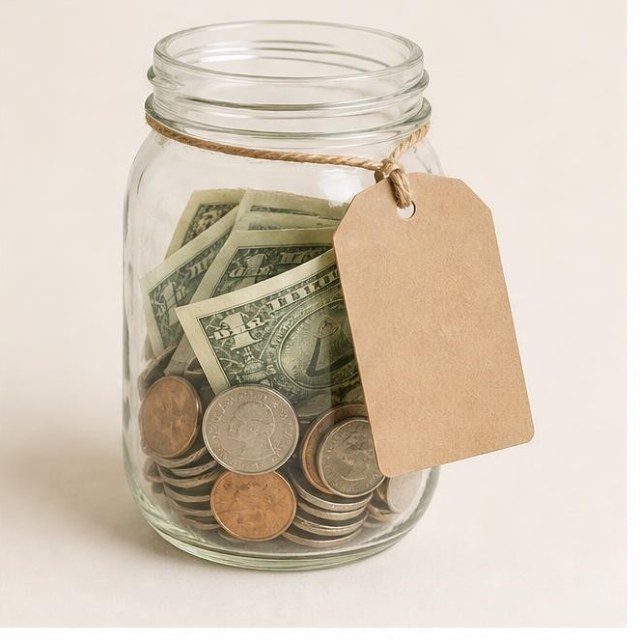 Savings jarSeeing it grow keeps you going.See it on Amazon
 Undated weekly plannerPlan the week in ten minutes.See it on Amazon
 Desk calculatorDo the numbers on paper once a week.See it on Amazon
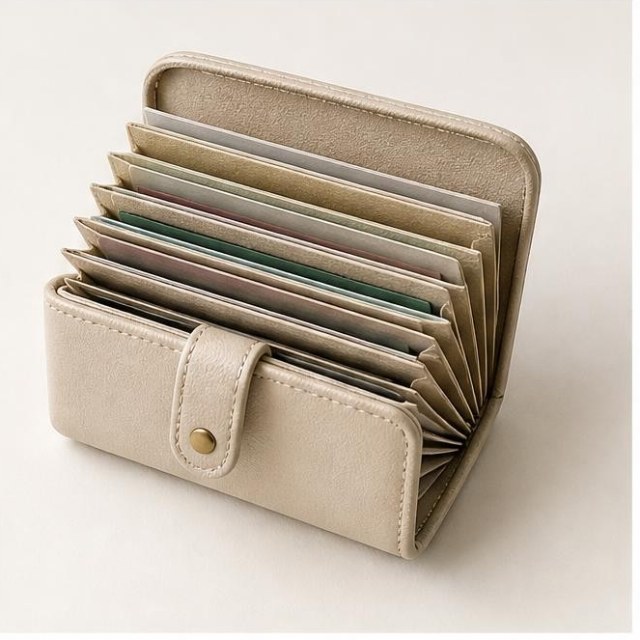 Receipt organizerKeep receipts and returns in one spot.See it on Amazon
Affiliate links. As an Amazon Associate I earn from qualifying purchases.
If money is tight, cut every amount in half or more. Saving $1 a week still builds the habit, and the habit is what matters. This is general information, not financial advice.
Keep going: savings challenges for a low income, budgeting hacks and ways to stop wasting money.