Copywriting is writing that gets someone to do something: click, sign up, buy, book. Every business needs it, and you can learn it without a degree. What you cannot skip is practice.
I write every week for my own blog and product listings, and the same rules apply whether you are selling a printable or a software subscription. Be clear, be specific, and talk about the reader more than yourself.
- Copywriting is persuasion in plain words.
- You learn it by rewriting real ads, emails and pages, not by reading about it.
- Three strong samples will get you a first client. A certificate will not.
1. Know what copywriters actually write
- Website pages and landing pages.
- Sales emails and newsletters.
- Ads for social media and search.
- Product descriptions.
- Video scripts.
Content writing informs. Copywriting asks for an action. Many writers do both.
2. Learn the basics
You only need a few ideas to begin.
- Benefits beat features. “Sleep through the night” beats “memory foam layer”.
- One reader, one message, one action.
- Clear beats clever. If a ten year old would not get it, rewrite it.
- The headline does most of the work. Write twenty and keep one.
3. Practice on real things
Pick an ad or a web page you think is weak and rewrite it. Do one a day for a month. Then copy out great ads by hand to feel how they are built.

4. Understand the reader
Good copy sounds like the customer. Read reviews, forums and comments in your niche and write down the exact phrases people use. Then use those phrases back.
5. Use a simple structure
When you are stuck, try this.
- Problem. Name what is bothering the reader.
- Agitate. Show you understand why it matters.
- Solution. Present the product as the way out.
- Proof. A review, a number or a guarantee.
- Action. Tell them exactly what to do next.
6. Build three samples
No clients yet? Make your own brief.
- A landing page for a local business.
- A three email welcome series for an online shop.
- Five ads for a product you like.
Put them in a shared document. That is your portfolio.
7. Find your first client
- Tell people you know. Someone always has a business that needs words.
- Message small businesses with one specific improvement you spotted.
- Join one freelance marketplace.
- Offer a small fixed-price job, like a product page rewrite.

A simple writing setup
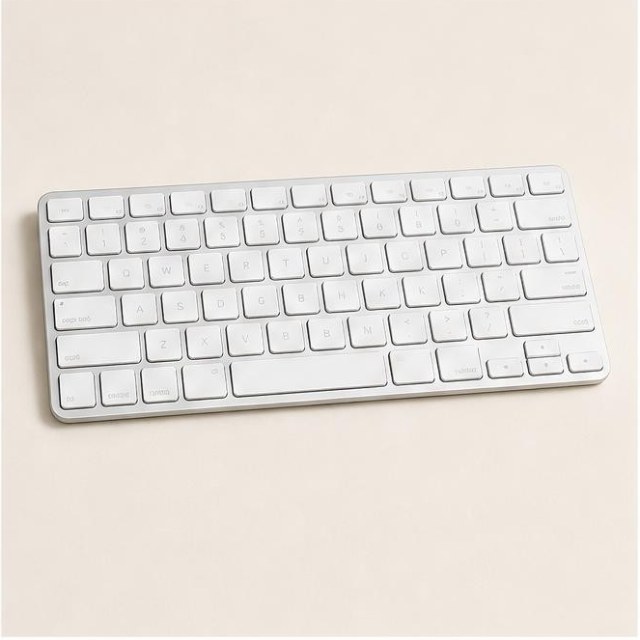 Wireless keyboardComfortable typing for long jobs.See it on Amazon
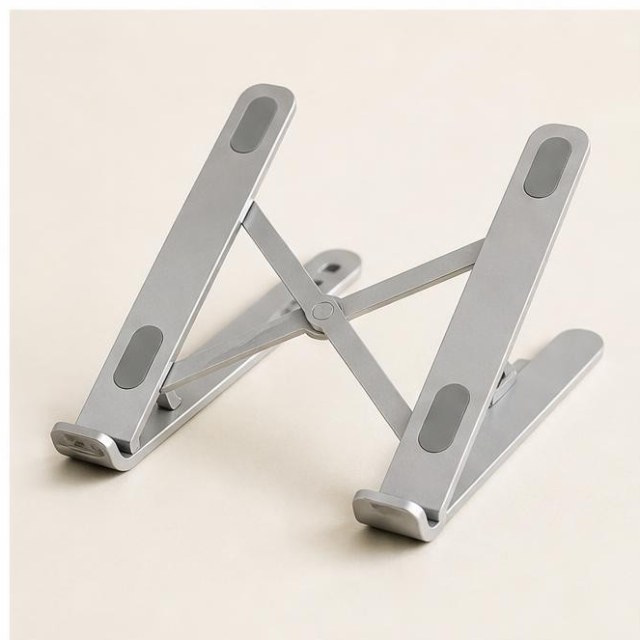 Laptop standSaves your neck on long sessions.See it on Amazon
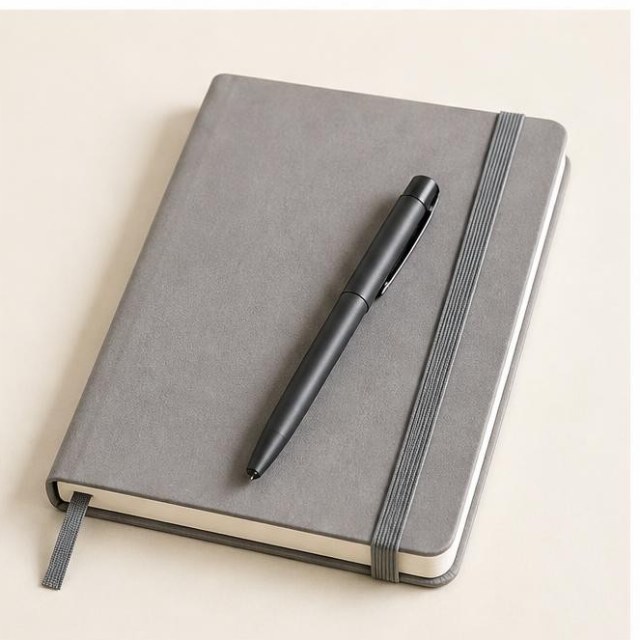 Undated weekly plannerPlan the week in ten minutes.See it on Amazon
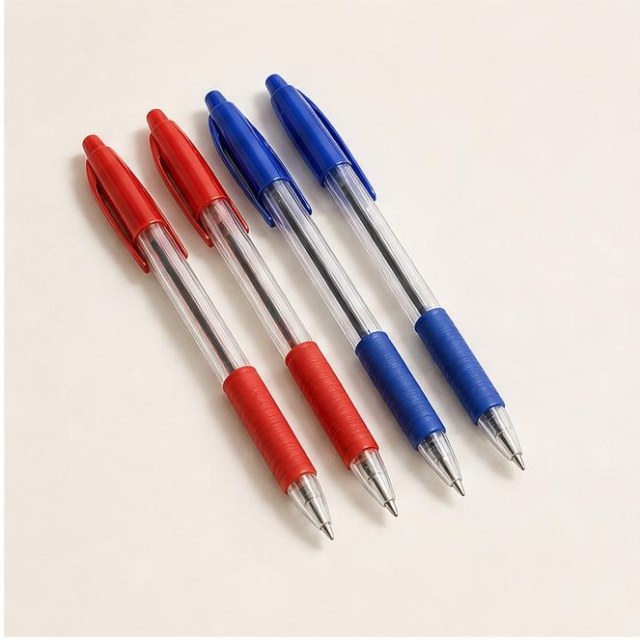 Red editing pensOld school, still the fastest way to mark up.See it on Amazon
 Over-ear headphonesQuiet focus anywhere.See it on Amazon
 Blue light glassesEasier on the eyes after dark.See it on Amazon
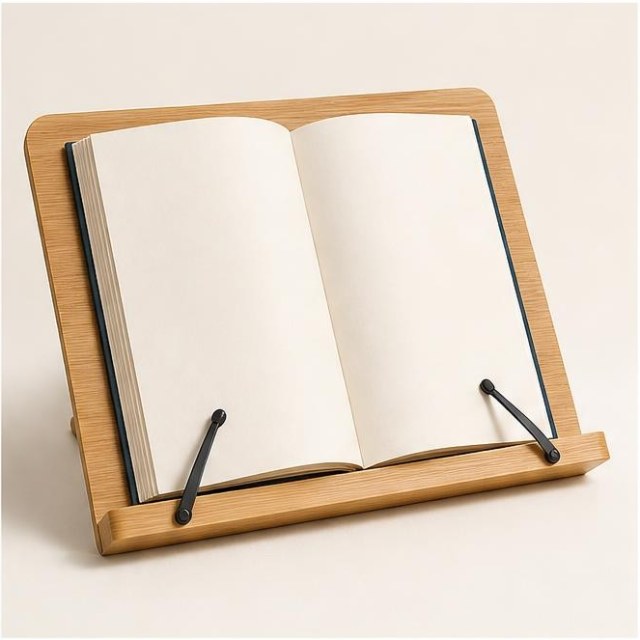 Book standHands free reading at a desk.See it on Amazon
Affiliate links. As an Amazon Associate I earn from qualifying purchases.
Beginner mistakes to avoid
- Writing to sound smart instead of to be understood.
- Talking about the company more than the customer.
- Skipping research.
- Working for free for longer than one or two portfolio pieces.
- Letting AI write the whole thing. Use it for ideas and first drafts, then make it sound like a person.
With daily practice, most people can produce useful work within a few months. Nobody can promise you an income, but clear writers are always in demand.
Next: 10 easy side hustles for beginners and online proofreading jobs.