
Working for yourself online is real, and far more ordinary than social media makes it look. Most people who do it are not on a beach. They are at a kitchen table, doing useful work for clients or customers, on a schedule they chose.
I am not going to tell you to quit your job. I work full time and build my blog and printables shop around it. What I can tell you is how the paths work, and how to move toward one without betting the rent.
- There are really only four models: sell your time, sell a product, sell attention, or resell goods.
- Start alongside your job. Leave when the numbers say so, not when a video tells you to.
- Income online is uneven. A cash buffer matters more than a business plan.

The four ways people earn online
1. Sell your time: freelancing
Writing, design, development, bookkeeping, marketing, admin. You do the work, a client pays. It is the fastest route to replacing a salary and the easiest to start this month.
The catch: you still trade hours for money. Your income stops when you do.
2. Sell a product: digital goods and courses
Templates, printables, ebooks, online courses, software. You make it once and sell it many times. This is one of the things I do, and it is slow to build and satisfying once it moves.
The catch: months of work before the first sale, and you have to find your own buyers.
3. Sell attention: content
Blogs, YouTube channels, newsletters and podcasts earn from ads, affiliate links and sponsors. My blog earns a few hundred dollars a month this way.
The catch: it takes the longest of all, and platforms change their rules.
4. Resell goods: ecommerce
Your own products, print on demand, or buying and reselling. Real businesses with real customers.
The catch: margins are thin, and there is stock, shipping and customer service to handle.

Which one first?
| If you want | Start with |
|---|---|
| Income in weeks | Freelancing |
| Something that scales | Digital products |
| A long-term asset | Content |
| To sell physical things | Print on demand or reselling |
Most people who make it work stack two: freelancing pays the bills while a product or content grows in the background.
A sensible way to leave a job
- Start on the side. Evenings and weekends, for as long as it takes.
- Build a buffer. Several months of living costs in savings before you even consider leaving.
- Wait for repeatable income. Not one good month. Several in a row.
- Go part time first if your employer allows it.
- Sort the boring things: health cover, taxes, retirement saving. Nobody does these for you now.

A simple work-from-anywhere setup
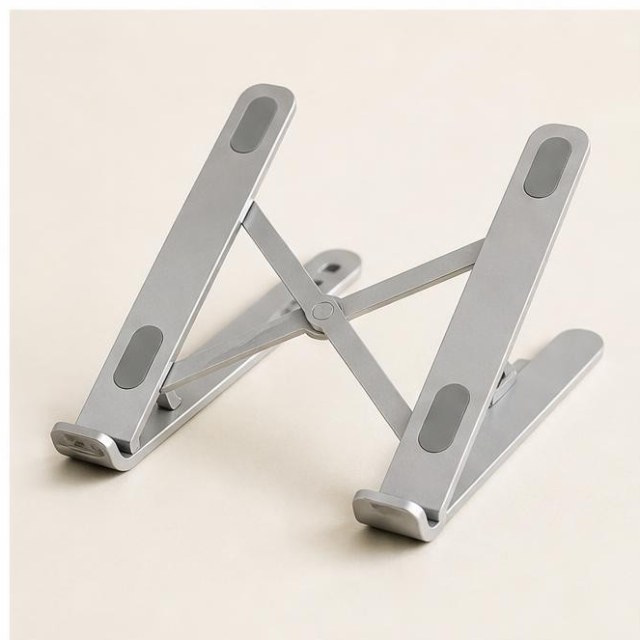 Laptop standSaves your neck on long sessions.See it on Amazon
 Over-ear headphonesQuiet focus anywhere.See it on Amazon
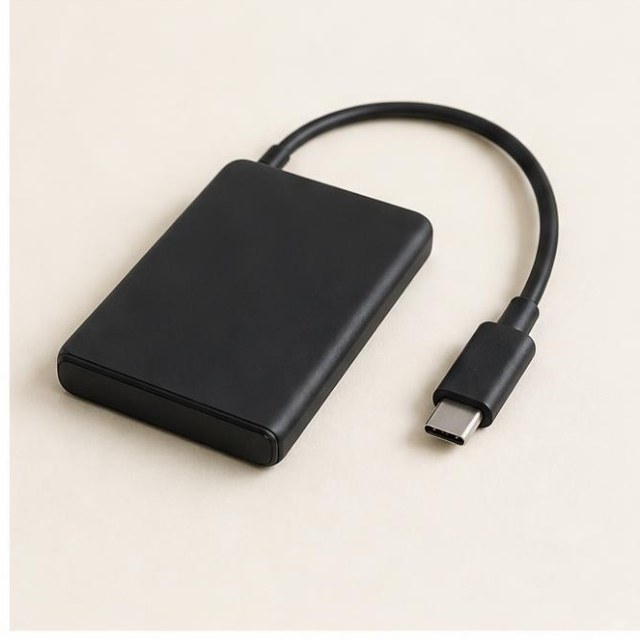 Portable SSDBack up your work in seconds.See it on Amazon
 Wireless mouseFaster than a trackpad for design work.See it on Amazon
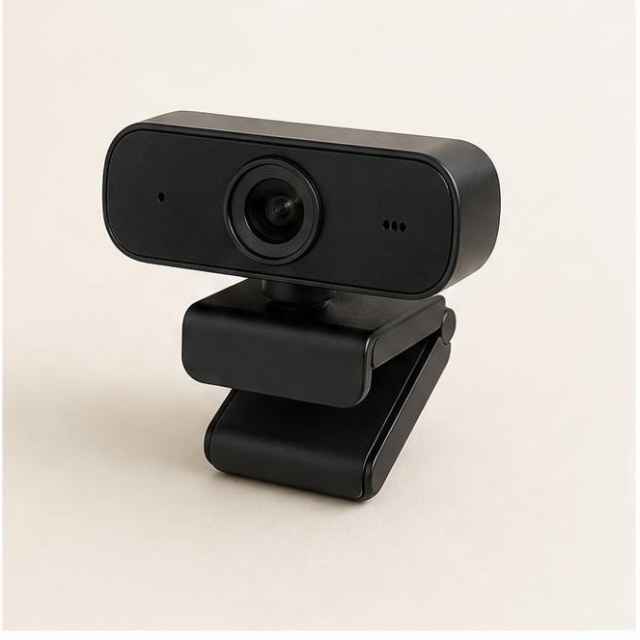 HD webcamA clear picture for client calls.See it on Amazon
 Undated weekly plannerPlan the week in ten minutes.See it on Amazon
 Blue light glassesEasier on the eyes after dark.See it on Amazon
 Desk matMakes any table feel like a desk.See it on Amazon
Affiliate links. As an Amazon Associate I earn from qualifying purchases.
What to be careful with
- Trading and crypto “income”. These are high risk, and most people who try to live off them lose money. I am not a financial advisor, and nothing here is advice to invest.
- Anything that needs you to recruit people.
- Paid programs that promise a result. Nobody can.
- Quitting to “force yourself to succeed”. Pressure makes for bad decisions.
Skills that pay in every model
- Writing clearly.
- Explaining your offer in one sentence.
- Basic bookkeeping.
- Doing what you said, when you said.
Most people who earn online have clients, deadlines and slow months. What they gain is choice: where they work, when, and on what. That is worth a lot, and it is worth building carefully.
Start here: how to make your first $500 online or 10 easy side hustles for beginners.